Projects & Services Archives - KPFF

Recast: Structural Engineering Behind City Foundry STL

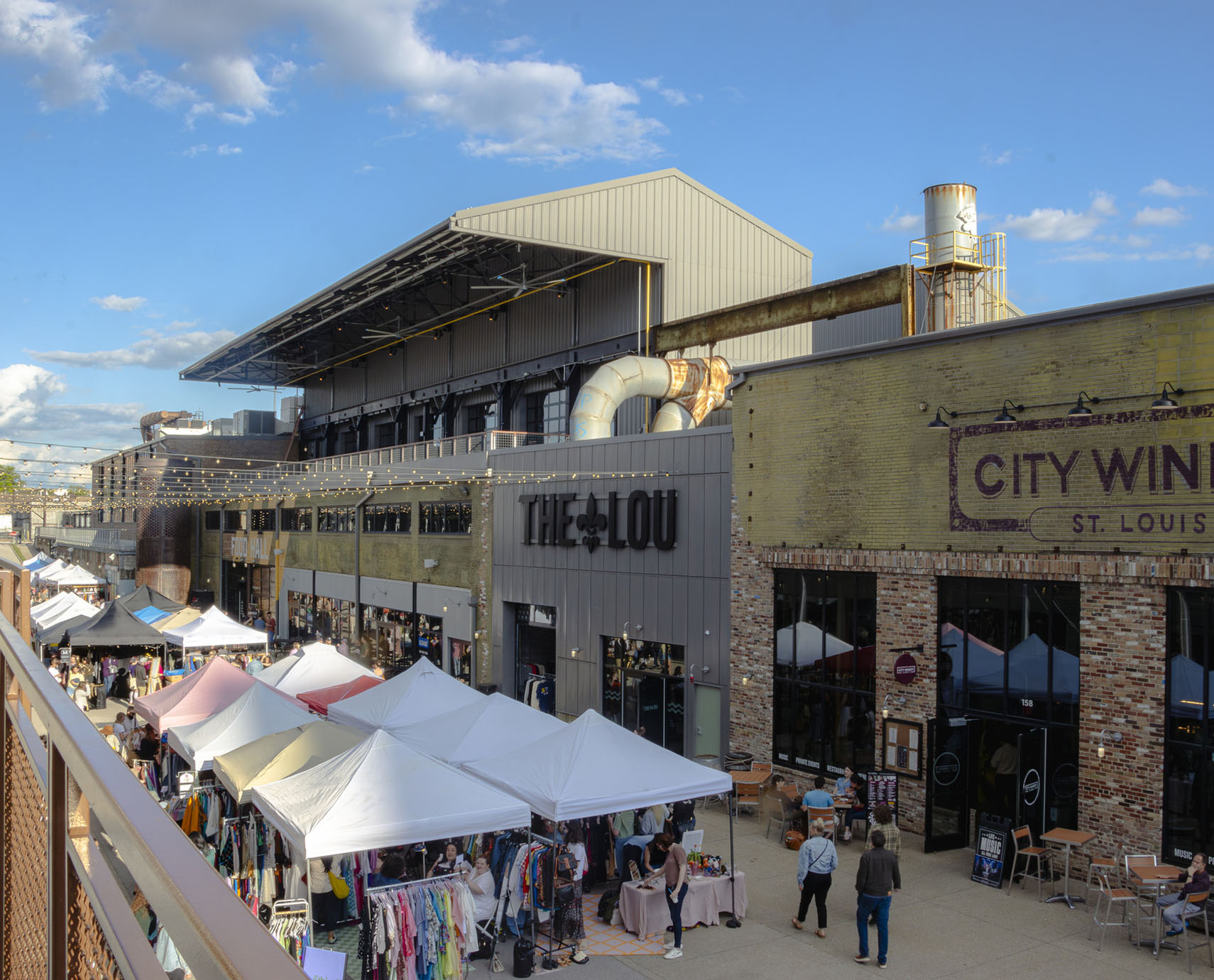
Walk through City Foundry STL on any given afternoon and the place is busy—food hall crowds, shoppers walking between retailers, and preserved pieces of the old foundry echoing the site’s history.

It’s hard to imagine that, not long ago, this 15-acre site was vacant and slated for demolition.

Century Electric had once been one of St. Louis’s “big three” electrical manufacturers, building motors to power everything from home appliances to factories. Their foundry, built in 1929, was among the largest job shop operations in the Midwest and continued operating until 2007. The site sat vacant for nearly a decade with years of disuse taking a toll before Lawrence Group and the development team brought in a vision of redevelopment.

Lawrence Group’s vision was ambitious: a mixed-use destination combining a food hall, retail, office space, structured parking, and public connections to the surrounding neighborhood. Delivering that vision meant navigating a site full of unknowns above and below ground.

Understanding the Site

Before design could move forward, the team had to understand what was happening beneath the surface.

Geotechnical conditions varied dramatically across the site. Bedrock was shallow in some areas and dropped off steeply in others, sometimes within short distances. A single foundation strategy wouldn’t work.

“A challenge for this project was the varying geotechnical bearing condition on the site,” says Bob Daugherty, Principal at KPFF. “The bearing rock was shallow at several locations, but at others it did dive deep. We worked with the geotechnical engineers and contractors to come up with solutions that took advantage of those differing conditions.”

Rather than forcing a one-size-fits-all approach, the team adapted the structural system to match the conditions at each location, using a mix of deep foundations, shallow foundations, and soil remediation. The result was a flexible strategy that reduced risk while keeping the project moving.

That flexibility proved critical as construction progressed. During excavation for new retail buildings, poor soil conditions were discovered beneath the footprint of the new retail buildings. Addressing the issue required soil remediation and redesigning new foundations to accommodate the unforeseen conditions — an intricate solution that had to be executed without disrupting the project schedule.

“When excavation began, we discovered poor soil conditions,” says Tim Rowbottom, Principal and COO of Lawrence Group. “KPFF was an amazing partner on that project, helping us with extremely intricate, detailed foundation designs.”

Constraints extended beyond the site itself. Construction along Forsyth Boulevard required temporary shoring and tiebacks beneath an active city street. Those elements had to be removed once the permanent structure was complete. Sequencing that work safely, while maintaining progress, required close coordination between the design team, contractors, and the City.

Working Within (and Between) Structures

City Foundry isn’t a single building—it’s a collection of new and existing structures tied together across the site.

KPFF’s work spanned new mixed-use buildings, a multi-level parking garage, and the renovation of historic structures. Each came with its own constraints, but the real complexity was in how they connected.

“All of these buildings were very close together, and many of them were tied together with pedestrian bridges,” says Tyler Bick, Project Engineer at KPFF. “There’s quite a bit of coordination just between buildings to get everything to align and work together.”

That coordination extended to the renovation of the historic Byco building, where a new grocery tenant introduced modern operational needs into an existing structure. Creating adequate loading access required removing a structural column. “Taking a column out of the loading dock area was a big challenge,” says Daugherty. “We had to re-support the roof structure and give adequate space for tractor trailers to back in and deliver goods.”

Historic renovation differs from new construction in a fundamental way: the structure defines the limits. Solutions have to work within those boundaries, not around them.

Structure as Part of the Design

The new buildings introduced a different kind of challenge. The architectural vision called for exposed structural steel, making the structure itself part of the aesthetic.

“The architect wanted an industrial-looking building,” says Bick. “A lot of the steel was exposed, and we had to be careful with how it looked from underneath.” KPFF worked with the design team to balance what was needed structurally with what they were trying to achieve visually. “That was a fun thing to work out with the architect,” Bick commented.

Close coordination extended across the full campus. KPFF was working on two mixed-use buildings, a parking garage, and the Byco building simultaneously, each of which shared connections with adjacent structures. Managing the structural interfaces between buildings and ensuring that the pedestrian bridges tying them together aligned across all of them was a consistent part of the work throughout the project.

Throughout the project, we blurred the line between structure and design. Decisions weren’t just about performance; they were also about how the building would feel and be experienced. The result is a structural system that doesn’t just support the architecture, it contributes to it.

A Collaborative Approach

Across the project, solutions emerged through collaboration between engineers, architects, contractors, and the client team.

“KPFF has been a trusted partner on some of our most complex historic renovation projects,” says Rowbottom. “They were able to see the architect’s vision and complement that with their structural engineering services.”

That ability to engage across disciplines—to adapt, respond, and move quickly as conditions change—was critical on a project where not every challenge could be anticipated in advance.

City Foundry Today

Today, City Foundry STL has become a destination: an active, connected part of the city that blends history with new development. The site’s industrial past remains visible throughout, from preserved equipment to the structural systems that support new uses.

“They’ve left quite a few pieces of the old equipment there as visual art pieces,” says Bick. “It reminds you of the history of the buildings.”

“It’s one of the larger attractions in the City of St. Louis,” says Daugherty. “They see a large volume come through and are continuously growing as more shops are coming into the site.”

Projects like City Foundry don’t come together through a single solution. They require teams that can navigate complexity, respond to changing conditions, and work collaboratively to keep momentum moving forward.

For KPFF, that’s where the work is most meaningful—and where strong partnerships make a real difference.
Sustainable Design in a Mass Timber Bunkhouse

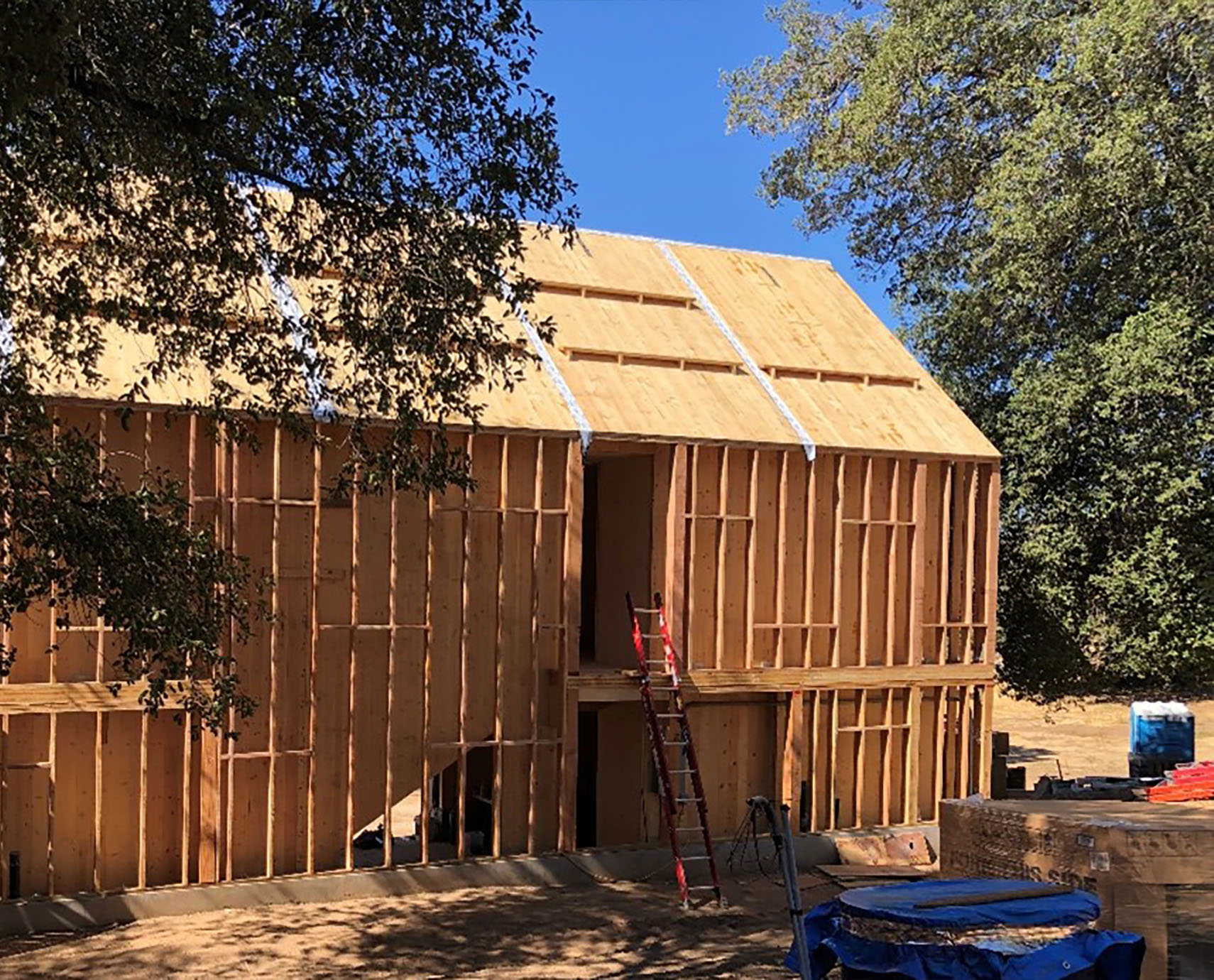
The building exterior during construction, featuring a double wall system and CLT roof panels. (Image Credit: LUCE et studio)

Why a Mass Timber Bunkhouse?

The concept of the Mass Timber Bunkhouse exemplifies sustainability in design approach, materials used, and delivery of said materials. Located on a 4,000-acre working ranch, this 1927 barn replacement building is the place where ranchers will go to unwind. The design objective of the Mass Timber Bunkhouse is to incorporate efficient Cross-Laminated Timber (CLT) fabrication. This requires extensive coordination to minimize waste on a site with limited road access for large trucks and allows for expedited structural erection.

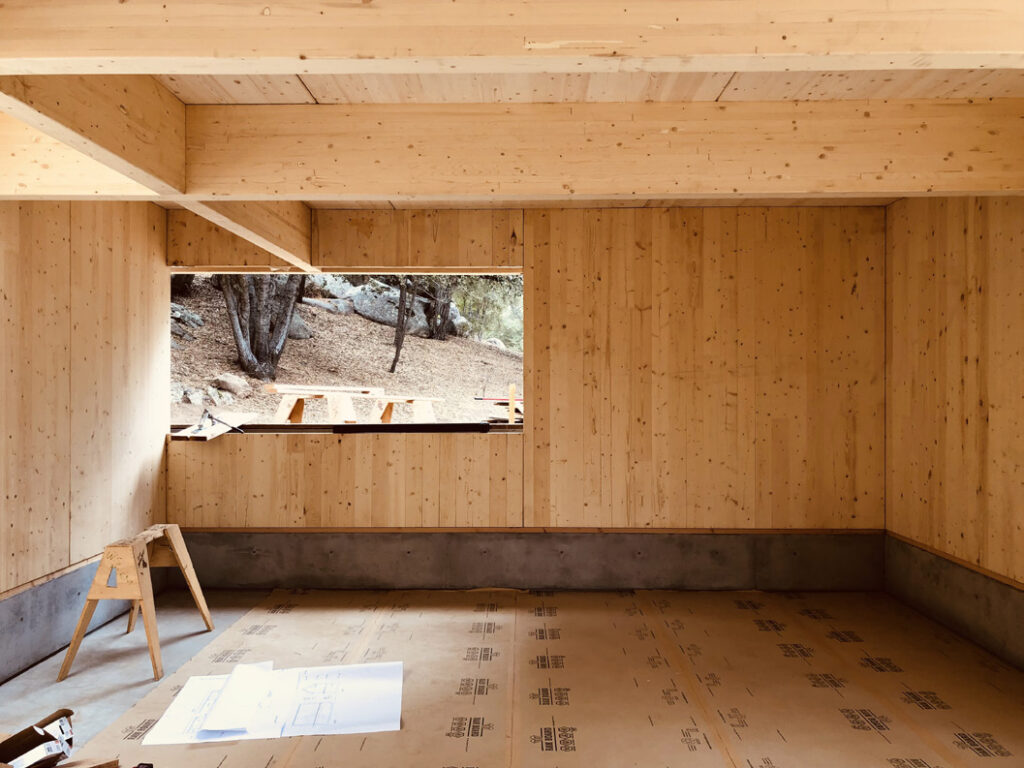
The building’s first-floor interior during construction, featuring CLT wall panels and hidden connections. (Image Credit: LUCE et studio)

Benefits of CLT

The mass timber connections have a great level of detail, which were customized by the design team and the fabricator. The result is a primary structure that was erected in only five days, with hidden connections that feel intentional. This mating of architectural and structural detail is reminiscent of the type of craftsmanship seen in Europe.

Exposed structures provide many opportunities for the project to be delayed or fall apart entirely. It calls for design teams that can not only collaborate to solve challenges but also anticipate them. This pushed everyone to step out of their comfort zones.

The building’s second-floor interior during construction, featuring CLT walls, floor, and roof panels. (Image Credit: LUCE et studio)

The design team leaned into CLT material early on, since at the time of the design, CLT was not allowed to be used as shear walls. The CLT panels in this structure are used for bearing walls along the interior and the plywood sheathed exterior walls are used for the lateral system. This creates a double wall system with a gap of a few inches. Double walls work well for pocket doors and provide space for MEP runs. The architectural benefit of having a double wall system is that it keeps the exposed wood as the focal point in the structure and it reduces the finishes needed on the interior. Material excess was further reduced by pocketing beams into walls instead of using additional columns. The CLT floor and roof panels are used as diaphragms without any additional plywood – which is typically used in wood construction to transfer lateral forces to the exterior walls.

The exposed structure is architecturally used to define space within the first floor, with beam locations that cleverly segment a room. The Bunkhouse is artfully tied back together with a single continuous roof ridge beam that runs along its spine. The expressed CLT panels provide a pure and modern feel, which is subtle and not overpowering. This structure has a warmth that would be difficult to achieve with any other material.

The Final Product

The final product provides everything the owner dreamt of, along with a brilliantly coordinated structure, where everyone involved can feel a sense of accomplishment. From a material, delivery, and collaboration standpoint, the structure exemplifies smaller scale projects that are on the horizon. It provides designers with motivation to seek out these special moments and projects that value structural input into a sustainable and persevering future.

The building’s kitchen interior during construction, featuring clean lines and hidden connections. (Image Credit: LUCE et studio)


Built to Belong: The Story of Santa Ana’s First Land Trust Farm

I may be an engineer by day, but more importantly, I’m a lifelong resident of Santa Ana with a passion for community-driven projects. Let me take you on a journey that’s been years in the making, blending civic engagement, engineering, and a deep love for the city I call home.

It All Started Across the Street

This story begins in 2016. Hamilton was taking Broadway by storm, Superheroes were dominating the box office, Pokémon Go encouraged everyone to be outside, and me? I was wrapping up my college studies and transitioning into my career as an engineer. I had spent the last three years working and volunteering at Santa Ana Library, mentoring local students. Even though I was looking towards my own future, I knew I wasn’t ready to step away from serving my local community.

A conversation with my boss at the Library pointed me toward Thrive Santa Ana, a local nonprofit located across the street, which was spearheading an initiative to reclaim public land for community use through a Community Land Trust model.

Community Land Trusts, which emerged as a form of community development in the late 1960s in Georgia, were instrumental during the Civil Rights Movement. Local Black farmers sought to assist African American families in securing access to land. By working the land cooperatively, these families enhanced their economic security and supported their multi-family communities.

Santa Ana has long struggled with outside businesses coming in, profiting from the people of Santa Ana, and sending those dollars back to the surrounding Orange County cities. Rallies were held, asking for “community lands in community hands.

Thrive’s idea was ambitious: convert underutilized public land into a community farm and marketplace, operated by and for the residents of Santa Ana. When I heard their vision, I knew I had to be part of it. Their approach resonated with me, both as an engineer and as a resident invested in Santa Ana’s future.

Engineering Meets Grassroots

From the start, this project required a collaborative, multidisciplinary approach. I served as a connector between Thrive and key industry partners.

By this point, I had started working at KPFF. I reached out to my colleagues in our civil department, who were more than willing to help. They reviewed the schematic design and helped me put together a list of deliverables THRIVE would need from the civil engineer they planned to hire. Along the way, I learned about the importance of a Water Quality Report (WQR), something the City of Santa Ana’s Planning and Building Department would expect. Thanks to Ali Khamsi and his team’s experience working with the City, they knew exactly how to navigate the requirements and set the project up for success.

I also leaned on the support of our structural reporting center managers, who helped me understand that when shipping containers are repurposed for public use, they require foundations and some limitations on new openings in the containers. Bill Thorpe, who shares a strong commitment to civic engagement through his work with local school foundations, was a great advocate for the project. He understood that a community project like this couldn’t be approached with a typical “sticker price” mindset. With that in mind, I eventually pushed to formalize our involvement with a proposal.

Next, I connected Thrive with several architects I had built relationships with during my time at KPFF, and I even promoted the project on LinkedIn to help them find the right consultants. Thrive invited me to sit in on the interviews, since navigating the consultant selection process was new territory for them as well. In the end, they chose to collaborate with City Fabrick, a nonprofit organization based in Long Beach.

Throughout this process, Thrive recognized the value I brought to the project, not just as an engineer, but as a passionate advocate and a resource familiar with the city. They wanted to continue working with me, and asked City Fabrick to partner with KPFF as their structural consultant. From there, Thrive assembled an incredible team to bring the project to life:

  • City Fabrick for architecture
  • Ardurra as civil engineers
  • All American Construction Solutions as the contractor

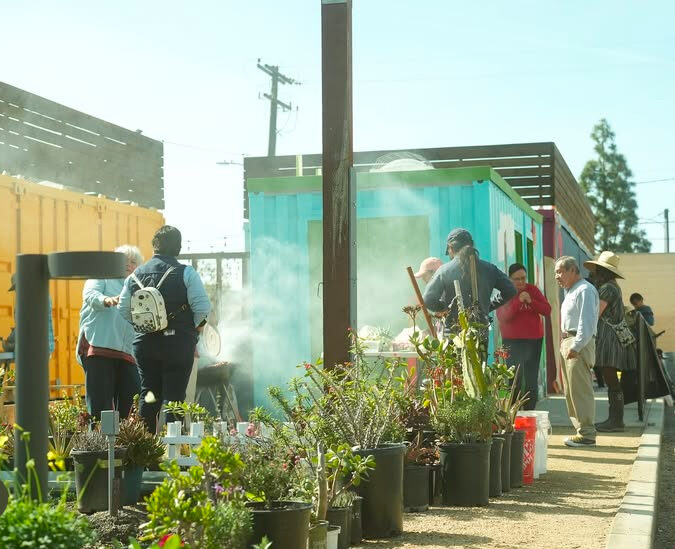
Our design centered around using shipping containers as the primary structures. This approach was eco-friendly, modular, and cost-effective. It also presented valuable learning opportunities such as designing foundation pad footings to distribute the loads between containers. We also structurally “stitched” together the containers so, in case of an earthquake, the containers would move in unison rather than colliding against each other. To complement the design, Bill Thorpe and I designed a cost-effective wooden walkway to connect the containers and other structures across the site.

While the City provided the land under a 99-year lease, the funding was secured through grassroots fundraising and grants.

Designed by the Community, for the Community

Thrive made it a priority to keep Santa Ana residents and future vendors at the center of the process. In fact, the idea for the farm came directly from the community itself. Early on, as part of the city’s Sunshine Ordinance, which requires residents near planned construction sites to be notified, we went door-to-door to share the land-use plans. During those conversations, residents shared a common desire: they wanted spaces where they could gather, learn, and cultivate healthy food.

It’s not uncommon in Santa Ana for households to contain entire extended families. The crowded environment creates a strong desire to build something of your own. Additionally, many of Santa Ana’s residents work in the hospitality industry across neighboring cities, often relying on full buses each morning to get to work. Having a community space close to home meant more than just convenience. It represented belonging. Even before construction officially began, Thrive hosted community events on the graded land to build awareness for the project, making sure the vision remained truly community-led from the start.
Pandemics, Lead, and Plan Checks (Oh My!)

No great project comes without hurdles. Between the COVID-19 pandemic, plan check rounds, and the discovery of lead contamination in the soil, delays in the project were inevitable. But through City Council meetings, community advocacy, and lots of late-night emails, we kept the project moving forward.

My involvement extended beyond engineering; I frequently attended City Council meetings, advocating for the project’s community-driven mission and sharing insights on soil unpredictability to reinforce the need for flexibility in timelines. It was my own passion for the project that guided me to fight for the space Santa Ana deserved.

The City closely monitored the project, as the lease agreement for the land required regular reporting and accountability. Branded as “Santa Ana’s First Community Land Trust Project,” Thrive understood the significance of setting a strong precedent. Their hope was that this success would encourage the city to continue investing in its residents by repurposing some of the ninety-plus vacant lots scattered throughout the city. The goal was to demonstrate that even at a micro-farm scale, these small plots of land could become vibrant community assets.

As the plan for the farm developed, it became clear that we needed to collaborate with the OC Health Department as the City intended to serve food from the containers. After clearing those final obstacles and receiving project approval, the real magic began to happen.

Construction Meets Community

Thrive made sure the inhabitants—local residents and vendors—were always part of the process. After we craned in the shipping containers and framed out entrances on them, we invited the community to help us with painting murals on the containers. We planted seeds together: both literally in the soil and metaphorically in the heart of the community.

My favorite moment though? Inviting students from Valley High School (as part of the ACE Mentorship Program) to the site. They toured the farm, learned about Community Land Trusts, and saw firsthand how engineering and architecture can shape communities. Fortuitously, the OC/LA ACE program is focusing on Community Land Trusts for their 2024-2025 All-Schools Student Presentations. Although still in development, I recently heard the students brainstorming ideas for food cultivation, which warms my heart.

The Grand Opening

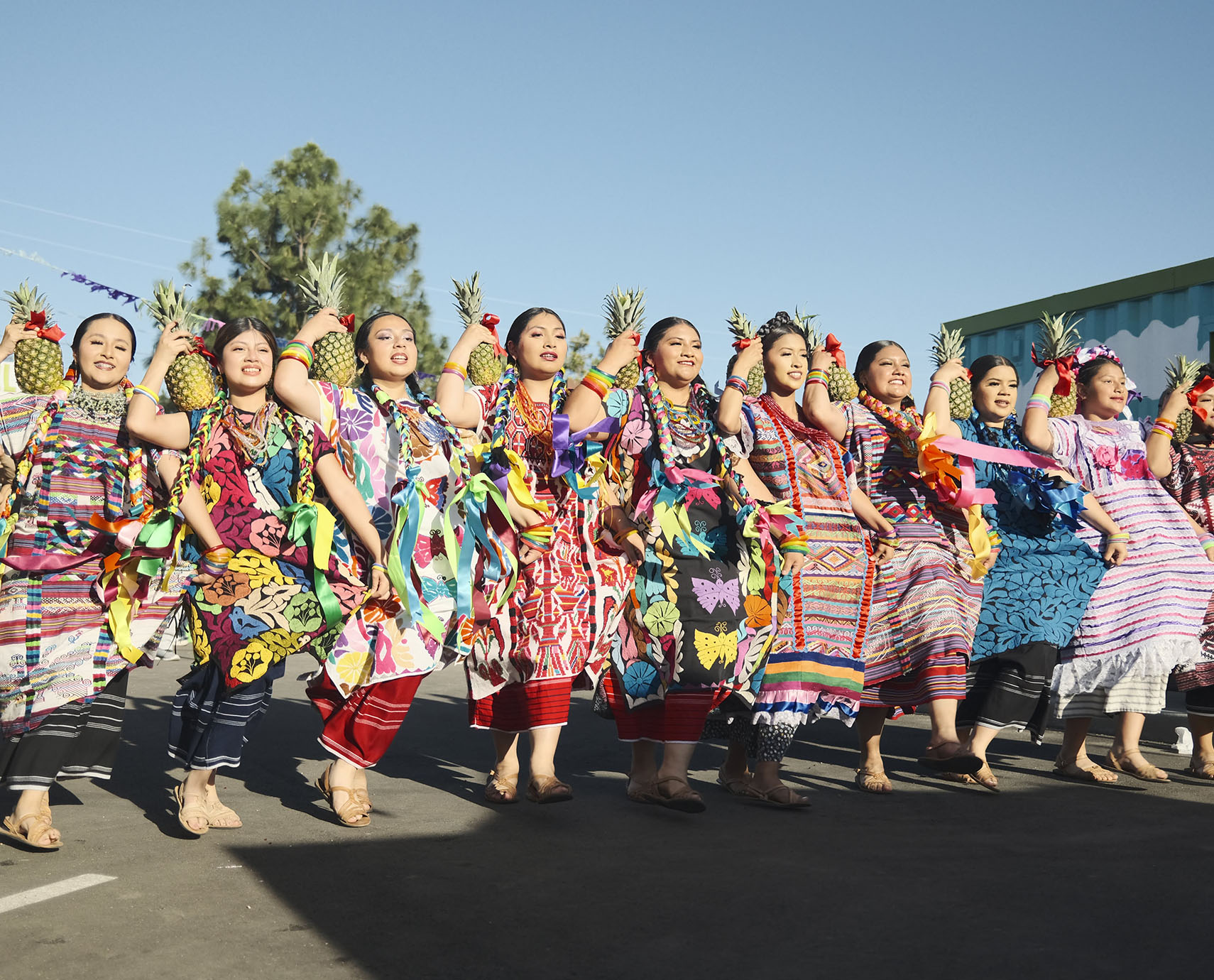
The grand opening was a celebration of culture. The ceremony featured indigenous dances honoring and celebrating that soil is a living organism. Local vendors sold artisan crafts. There was free food for visitors and coffee tastings to promote the coffee shop container. Lines wrapped around the entrance. I invited City Council members, who showed up and witnessed firsthand what I had known from the beginning: Santa Ana wants more spaces like this.
Leaving a Legacy

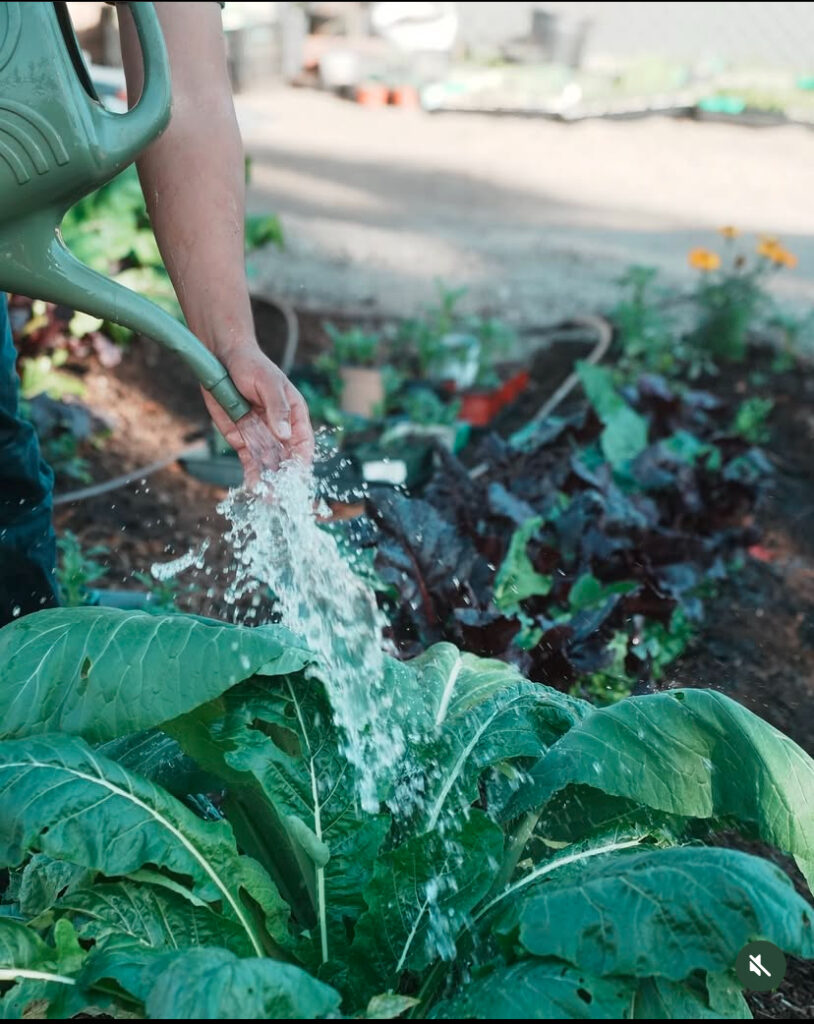
With the land secured under a 99-year lease, this hopefully means the farm will thrive long after I’m gone. Knowing I played a role in creating something that will benefit generations to come is profoundly meaningful. Seeing young gardeners already working the land means I’m leaving something in the world that will have generational benefits. It’s why I do what I do.

I’m excited to see how this farm sparks more opportunities for community spaces in Santa Ana and beyond. By demonstrating the success of this model, I hope it inspires additional projects that blend engineering with community engagement.

As Lin-Manuel Miranda says in Hamilton, a legacy is “planting seeds in a garden you’ll never get to see.” Well, I’m glad I got to see this one flourish.

All photos by Felipe Ramirez, courtesy of Erik Sanchez and Thrive

Seismic Upgrades Required? How Your Renovation Can “Shake Up” Infrastructure and Experience

Editor’s Note: This piece was co-authored by NBBJ Principal Andrzej Czech and Associate Sandra Lozano, and KPFF Principal Mark Hershberg and Associate Maikol Del Carpio, and was originally published by NBBJ.

Earthquakes cost the nation an estimated $14.7 billion annually in building damage and associated losses, especially in hotspots like California, Alaska and Washington State. Buildings constructed before modern seismic codes—such as pre-1980 non-ductile concrete buildings and wood-framed “soft story” structures—are even more vulnerable to damage due to outdated construction methods. The solution? Seismic retrofitting. The process of strengthening a structure to make it more resistant to earthquakes, seismic retrofitting has gained momentum in recent years due to several policies and ordinances introduced at the state level to improve seismic safety, as well as a clearer and more precise understanding of seismic behavior.

In addition to making buildings safer and less prone to damage, seismic retrofitting also provides the opportunity to revive an outdated building, and can open the door for improvements in other areas without significantly increasing cost or disruption. Here, we explore how to determine whether your building is a good candidate for seismic retrofitting, as well as techniques and solutions that meet today’s standards while enhancing building performance, functionality and aesthetics.

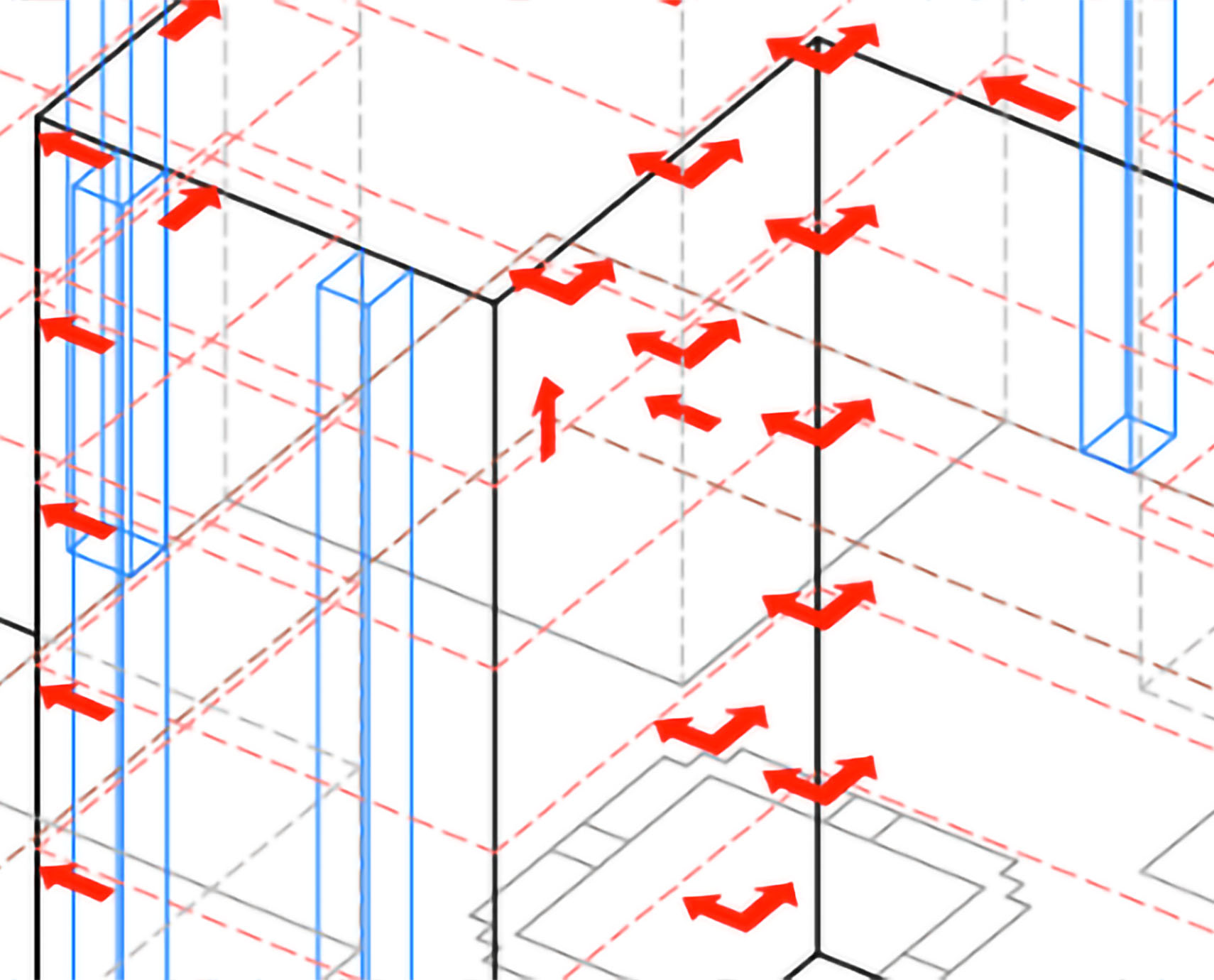
aOlder buildings that employ outdated construction methods are at greater seismic risk. (Image courtesy of NBBJ)

Is Your Building in Need of Seismic Retrofitting?

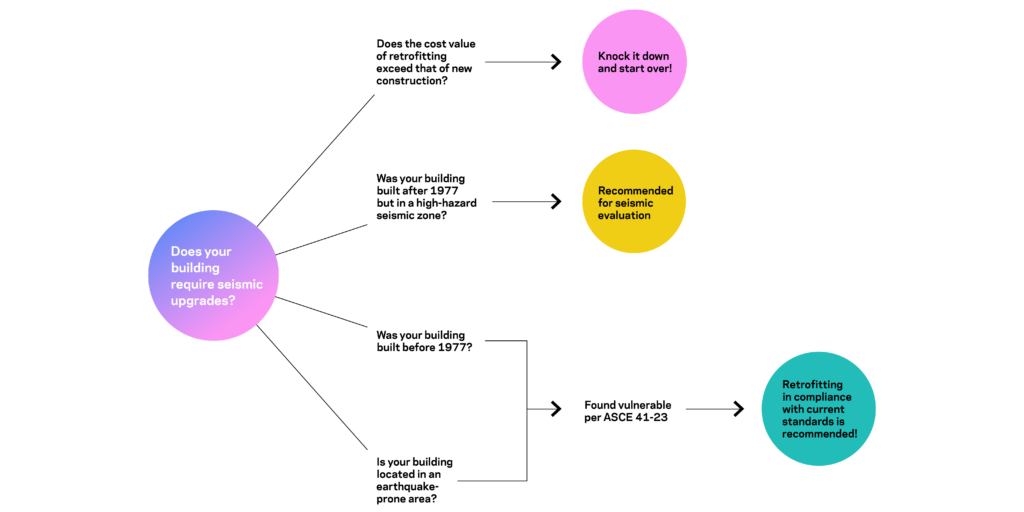
While seismic retrofitting is almost always a smart idea, determining whether your building needs to be retrofitted and, if so, where to start can be tricky. Fortunately, a simple set of questions can help you assess if your building requires seismic upgrades.

Simply put, it’s advised that buildings in earthquake-prone areas that were designed and built before benchmark building codes and standards for life safety are assessed for seismic retrofit. If the building is found to be vulnerable according to an ASCE 41-23, retrofitting in compliance with current standards is a recommended next step.

However, even if your building has not been found hazardous according to current regulations but was built before 1977 in a high-hazard seismic area, it may still be recommended for seismic evaluation. In California in particular, there are many mandatory seismic upgrade programs—for example, the required seismic retrofit ordinance in Los Angeles targeting soft story wood-framed structures and nonductile concrete buildings built pre-1980, Senate Bill 1953 mandating the seismic upgrade of acute care hospital buildings, and the UCOP Seismic Safety Policy addressing the inventory of existing University of California facilities. Standards and recommendations are also continuously updated based on new knowledge and technical advancements.

If a seismic retrofit is recommended, your organization can then determine the most pertinent actions for retrofitting. Some of these actions may include adding structural support, adding shear walls or steel bracings, using base isolation, reinforcing the foundation or using fiber-reinforced polymers. It’s also worth noting that retrofitting, while recommended in most cases, may not always be the right solution. If the cost value exceeds the cost of new construction, demoing and building new may be a better option.

This chart can help ascertain whether your building is recommended for seismic evaluation or upgrades. (Image courtesy of NBBJ)

Identify and Address Vulnerable Areas—Without Disrupting Operations

Though an important step in ensuring a building’s safety and longevity, seismic retrofitting can also disrupt a building’s daily operations as it often requires significant structural modifications to existing buildings. So, it’s important to think creatively about phasing and team coordination, as well as materials and processes.

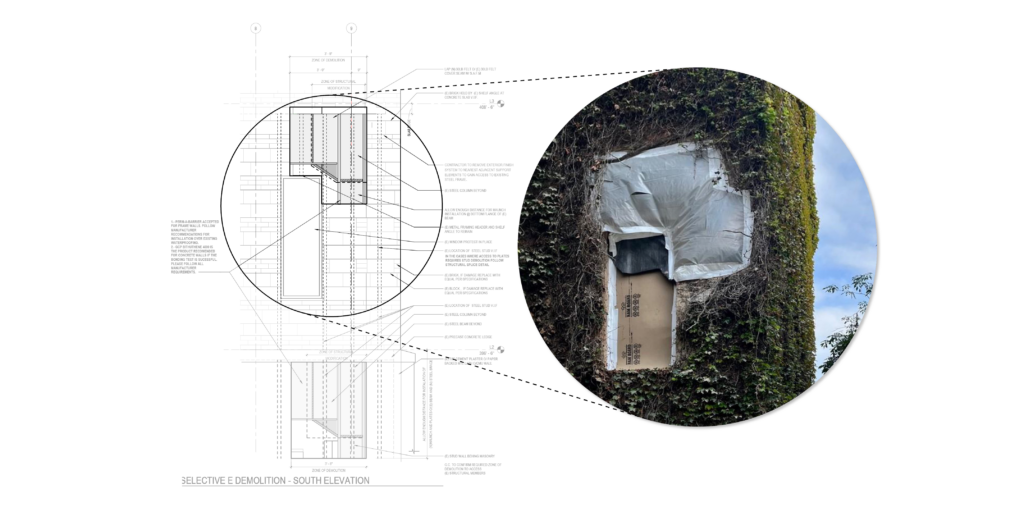
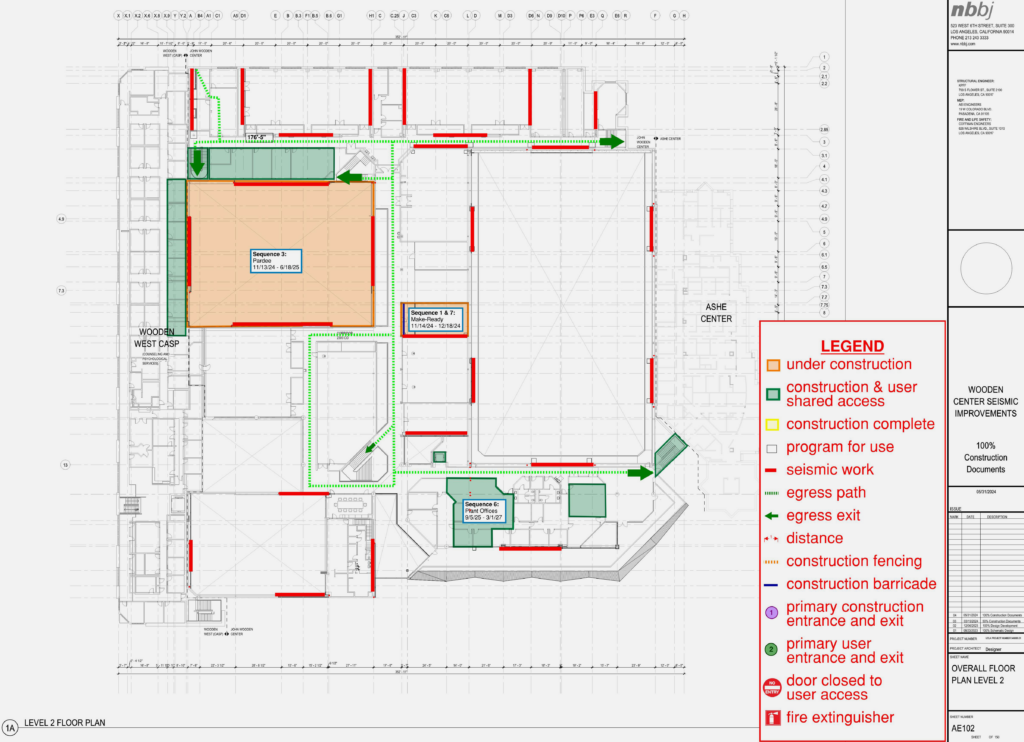
At UCLA’s Arthur Ashe Student Health and Wellness Center, selective demolition is used to strategically address seismic conditions. (Image courtesy of NBBJ)

For example, at UCLA’s Arthur Ashe Student Health and Wellness Center, the building’s pre-1994 steel moment frame—a lateral force-resisting featuring large entryways or openings—required targeted strengthening to improve its seismic resistance. A combination of structural reinforcement techniques such as bottom haunch retrofit details and reinforced diaphragm-to-roof connections allowed the team to address structural deficiencies, while phased construction and performing disruptive work during off hours minimized disruption to daily operations without the added cost of additional temporary structures to house users during the process.
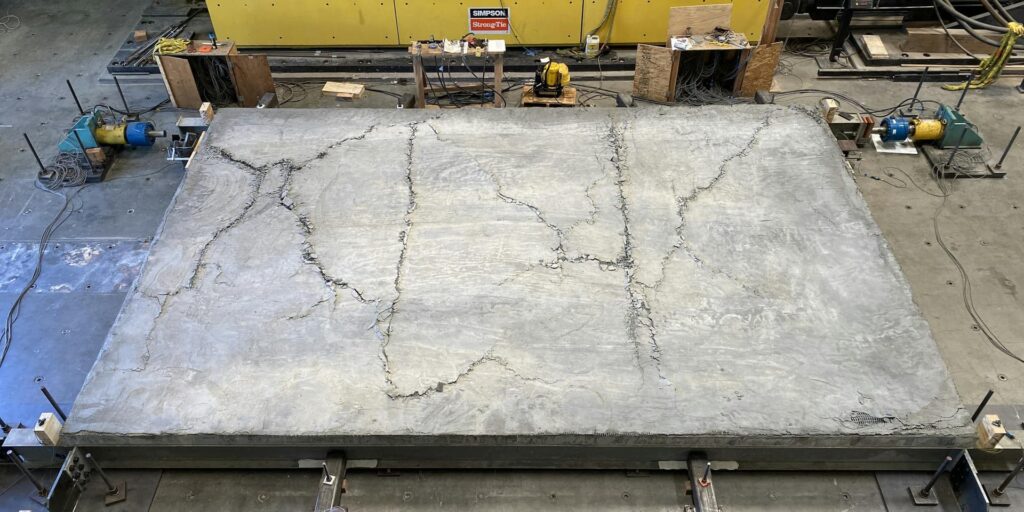
At the University of California Los Angeles’ (UCLA) John Wooden Center, a student recreation center constructed in the early 1980s, NBBJ and KPFF were tasked with strengthening the metal deck roof diaphragm—a flat, structural element used to transfer lateral loads such as those caused by wind or earthquakes to the vertical elements of a building. By employing Fabric-Reinforced Cementitious Matrix (FRCM), a material typically used for reinforcing concrete and masonry, the team was able to reinforce the roof from above, avoiding the need to access the underside which would have required extensive scaffolding and significantly disrupted the facility’s operations.

Testing of the Wooden Center’s roof indicates that employing FRCM on a horizontal matrix will be successful.

Improve Experience without Significantly Increasing Costs

Seismic retrofitting to address safety and legislative requirements—as described above—is often the most important priority. However, retrofitting can also provide opportunities for improved user experience without significantly increasing costs. And any additional costs incurred are often offset by the improved lifespan of the building and its systems.

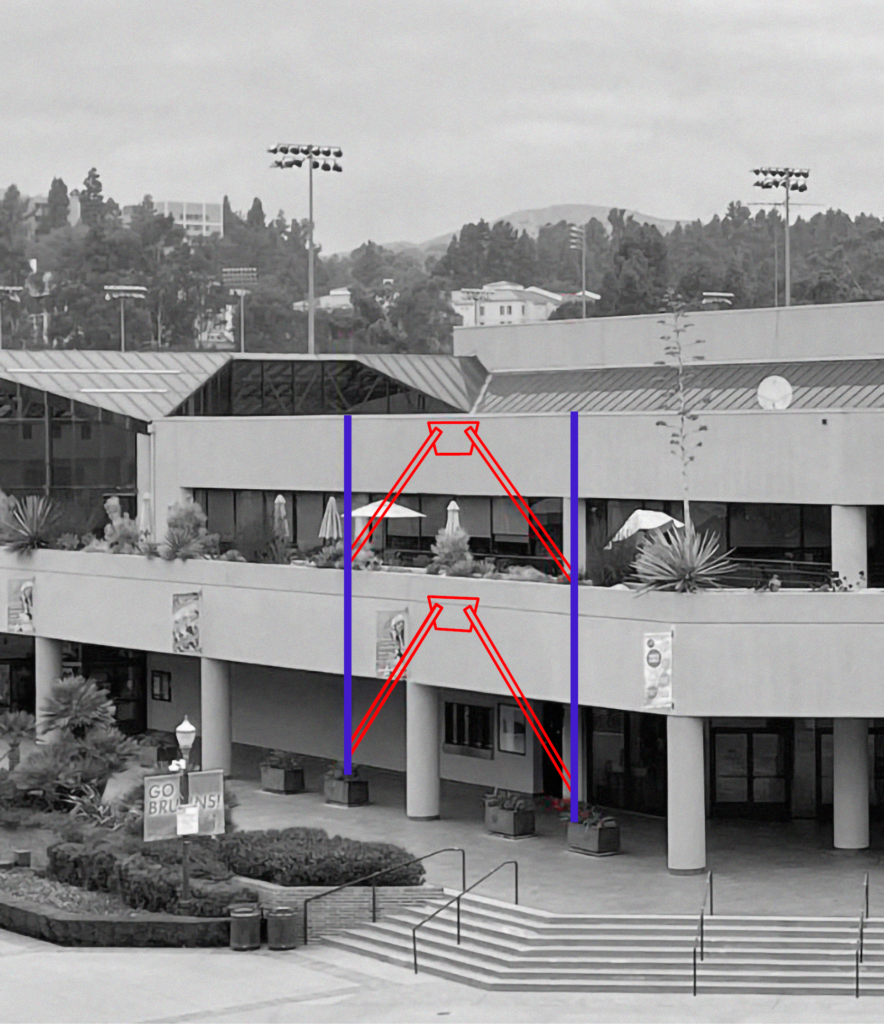
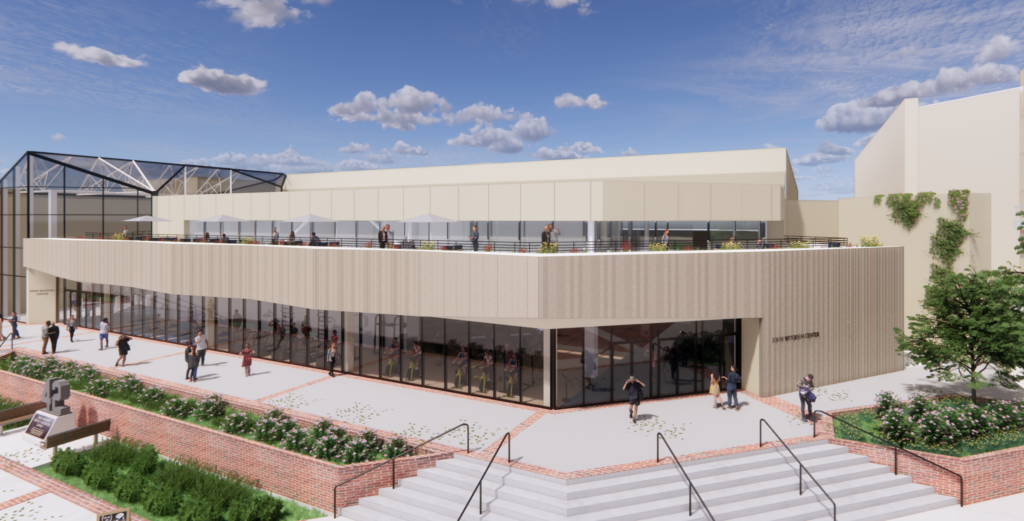
With an eye toward the 2028 Los Angeles Olympics and UCLA’s desire to position the building as a symbol of excellence, the team also engaged in a redesign of the Wooden Center’s existing interior and exterior spaces in parallel with the building’s seismic retrofit. An enclosed porch area between buildings now accommodates a variety of programs, attracting activity and fostering student involvement, while welcoming lounges create a comfortable atmosphere for students to relax and connect inside. The revamped exterior actively engages Bruin Plaza through shaded outdoor spaces and a more visible front entrance. By performing this work while the building was already under seismic construction, the team was able to reduce costs and construction timeline rather than embark on a separate, isolated project which would have been more expensive.
The design team used the required seismic upgrades at UCLA’s Wooden Center as an opportunity for building improvement with limited added cost and construction time. (Image courtesy of NBBJ)
Existing exterior and interior spaces were redesigned at the same time as the building’s seismic retrofit. (Image courtesy of NBBJ)
The loggia, or covered porch, will house a flexible space for classes and workout areas that is visually connected to the exterior and actively engages the Bruin walk and Bruin Plaza.
(Image courtesy of NBBJ)

Seismic upgrades are complex yet essential for preserving lives and communities, regardless of building type. Retrofitting offers an opportunity to not only improve future safety, but to create beautiful, functional buildings at little to no added cost. What’s more, by focusing on innovative materials, efficient construction methods, collaborative design, and creative solutions, investing in pre-existing buildings can reduce waste and enhance building performance and lifespan.

Padden Creek: A Case Study in Collaboration & Innovation for Fish-Friendly Infrastructure

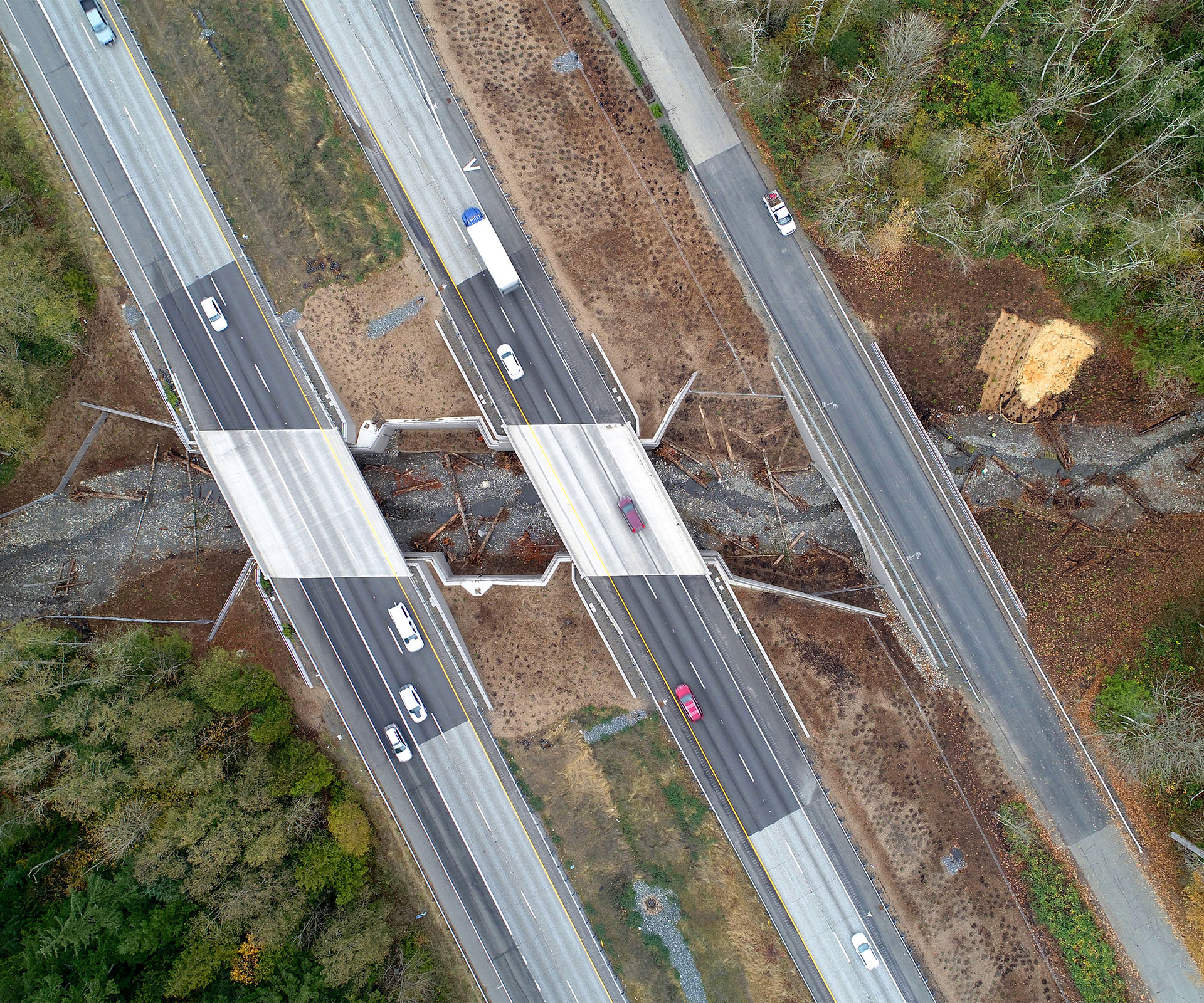
One thousand feet of new stream channel. One hundred and eighteen habitat features. Two fish-friendly culverts. Two bridges. The Padden Creek Fish Passage Design-Build was a big project with a big goal: to restore fish passage under SR 11 and I-5, connecting fish to five miles of upstream rearing and spawning habitat while minimizing disruptions to the traveling public through the process.

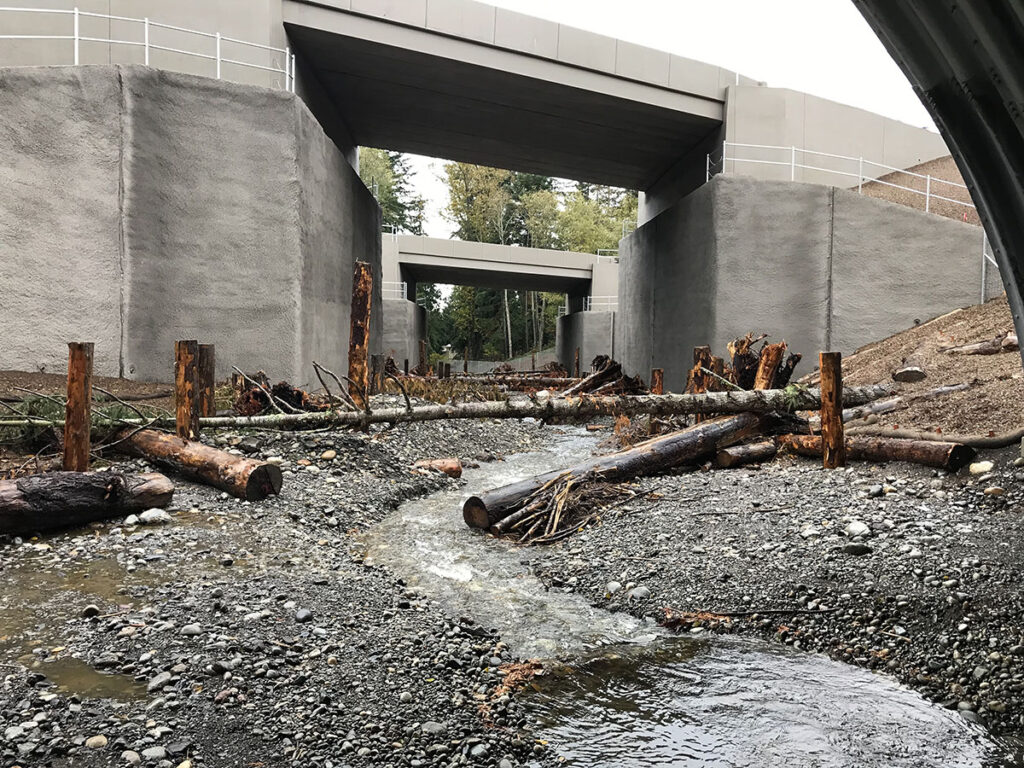
Was it successful? The final photo below speaks for itself.

Accomplishing this audacious goal required specialists spanning many disciplines, including KPFF civil engineers, structural engineers, and stream designers. Professionals from our Seattle, Lacey, and Special Projects offices teamed up, bringing unique and important perspectives that contributed to a successful final project.

Civil Engineer: The existing Padden Creek crossing at SR 11 consisted of two 78-foot-long, 5-foot by 3-foot concrete box culverts that had been designated as a fish barrier due to the steep slope. The location, next to a busy intersection, residential and business properties, and overhead power and communication utilities, created complex traffic management and construction challenges.

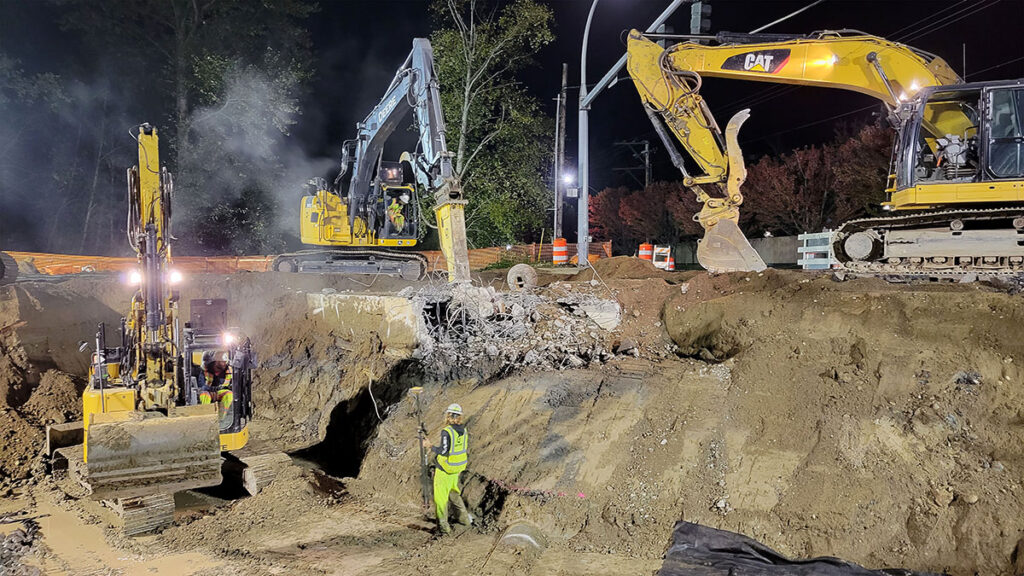
The original project design called for long-duration lane traffic phasing during construction which would have had a significant impact on the surrounding community and businesses. After the contract was awarded, the team approached WSDOT with an ambitious idea to reduce long term traffic impacts. If the team could install the entire 20-foot by 8-foot culvert during a full 60-hour weekend closure of SR 11, there would be no need for any other nightly closures. Through communication with the city and WSDOT, the team gained approval for a full weekend closure, associated detour plan, and city noise variance permit. The Granite Construction team closed SR 11 at 10:00 pm Friday and completed the entire box culvert by 2:00 am Monday—just 52 hours later.

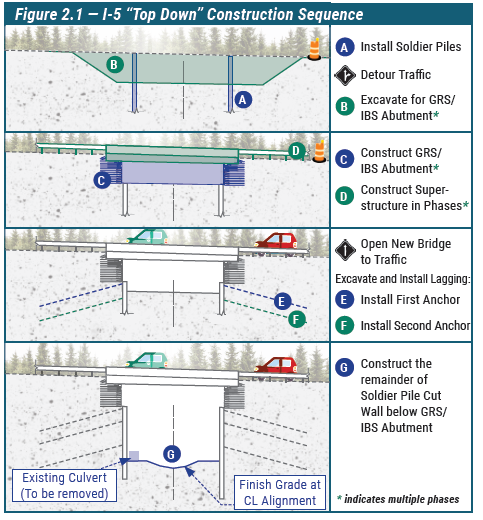
Structural Engineer: The I-5 site provided some unique challenges for the structural designers: the existing culvert was buried nearly 50-feet below one of the most well-traveled freeways in the state. Constructing two new bridges while minimizing traffic disruptions to this critical north-south corridor required an innovative solution. KPFF, Granite and GeoEngineers developed a mechanically stabilized earth (MSE) bridge abutment that was supported by a soldier pile cut wall. This unique design allowed Granite to construct nearly all of the project using a top-down methodology instead of more traditional bottom-up sequencing. In a top-down approach, permanent internal structures are built as excavation progresses down, providing lateral support for the retaining walls along the way. Thanks to this clever strategy, contractors could wait to excavate the bulk of the new stream channel (more than 30,000 cubic yards of material) until after the new bridges were already built and traffic was in its permanent alignment.

Construction Sequencing Graphic Courtesy of Granite Construction

The top-down method and other design efficiencies decreased the total number of traffic impact days on I-5 from 400 to just 225 days, a reduction of nearly 50 percent. The Southbound I-5 bridge was constructed and opened to traffic just 38 days after work began. This was the first top-down bridge constructed on an Interstate within Washington. Traffic impacts were minimized so effectively that other firms are replicating the top-down methodology for at least six additional sites across Washington.

Stream Designer: In addition to removing fish barriers at I-5 and SR 11, the project team found ways to add habitat-enhancing features that will evolve with the stream system over time. At the SR 11 crossing, the team shifted the stream alignment from the conceptual design location so they could turn the area downstream of the crossing into a backwatered, off-channel habitat that floods at higher flows and provides a natural refuge for fish during storm events.

Large woody material (LWM) like fallen trees and root wads are critical components of healthy stream environments. They create low-velocity scour pools, offer shade and shelter to young fish, protect stream banks from erosion, and generally promote a naturally evolving and sustainable stream system. Understanding this, the Padden Creek team developed a color-coded and numbered LWM plan exhibit and LWM matrix to maximize habitat enhancement.

The matrix identified the size, orientation, location, and specific habitat function of each piece of LWM. This detailed approach allowed all parties to work together to optimize a stream design that mimics the natural environment. While this was not a contract requirement, everyone agreed that it was extremely beneficial to ensure each piece of LWM was placed with a specific habitat goal in mind. In total, 118 pieces of LWM were installed according to these designs, significantly exceeding contract requirements and enriching habitat and channel diversity across more than 1,000 linear feet of Padden Creek. Other improvements included side channels and pools, as well as channel spanning logs.

Streambed gravel is another critical component of fish spawning habitat, and the stream and environmental teams used an innovative approach to get this feature right for Padden Creek. The KPFF and GeoEngineers team collected six McNeil sediment samples to supplement more traditional Wolman pebble counts—a first for design-build stream crossing projects.

McNeil samples gave the team a much better understanding of the natural streambed material in Padden Creek by collecting material from as deep as nine inches below grade. The team combined McNeil and Wolman sampling data to better size proposed streambed material, resulting in smaller spawning gravel that mimics the natural environment and will provide high-quality habitat for all life stages of fish development. Areas of spawning sized gravels were designed and installed in places that will naturally remain spawning areas for salmon over time.  WSDOT has since disseminated this unique methodology to all staff and consultants working on its injunction culvert correction designs.

When It Rains, It Pours

Shortly after the completion of the SR 11 crossing, Bellingham saw historic rainfall and stream flows exceeding the designed 100-year water elevations. Immediately following the record rainfall event, KPFF, Granite, and GeoEngineers met WSDOT on site to evaluate the status of the reach.

Although the storm displaced some gravel as expected, the LWM remained in place and functioned as intended—creating scour pools and microhabitat for future generations of fish. With a 20-foot internal span, the new box culvert handled the water volume much better than the smaller double-barreled culvert the team replaced. If the project hadn’t been completed before the storm, local flooding could have impacted SR 11 and the surrounding properties.

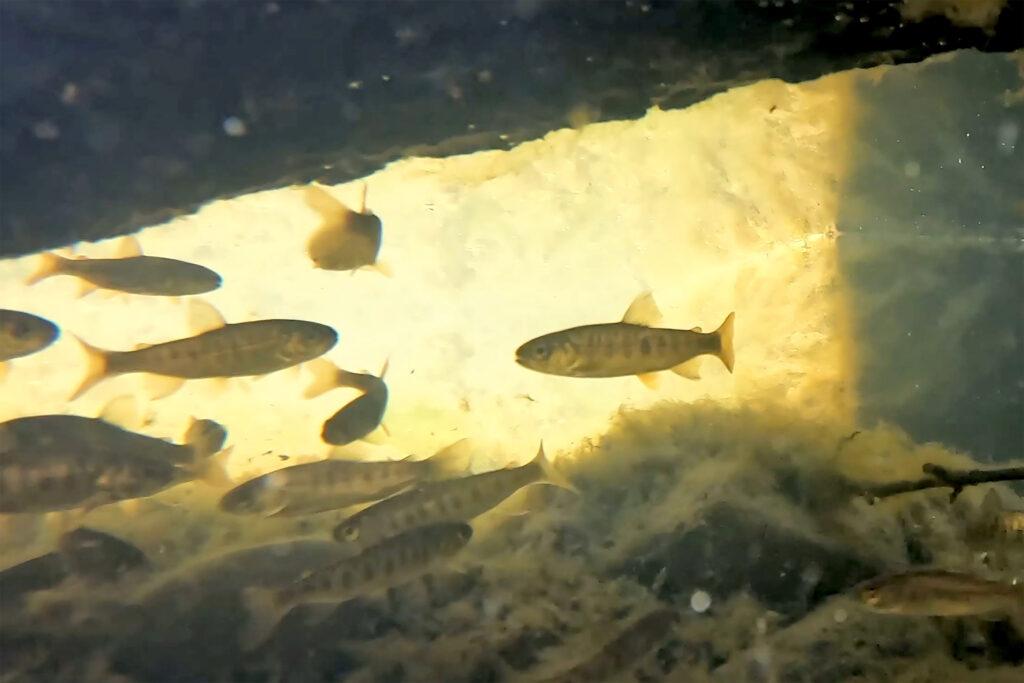
During the field visit, the team observed multiple species of salmon and steelhead trout, swimming, staging, and spawning both upstream of the newly installed culvert and downstream in the constructed spawning habitat. Not only did the design survive flows in excess of a 100-year storm, but the new reach is already sheltering several salmonid species, a strong indicator of the project’s successful long-term habitat enhancement.

Salmon spotted sheltering under LWM in Padden Creek, just weeks after the SR 11 crossing was completed. (Photo Courtesy of GeoEngineers)

Pushing the Limits of Timber Engineering at Idaho’s ICCU Arena

The University of Idaho had a vision to showcase what Idaho timber can do, stretching the typical boundaries of wooden buildings. That vision was recently celebrated at the ACEC National Engineering Excellence Awards where the University of Idaho ICCU Arena won a 2024 Grand Award, securing recognition as one of the top engineering projects of the year nationwide.

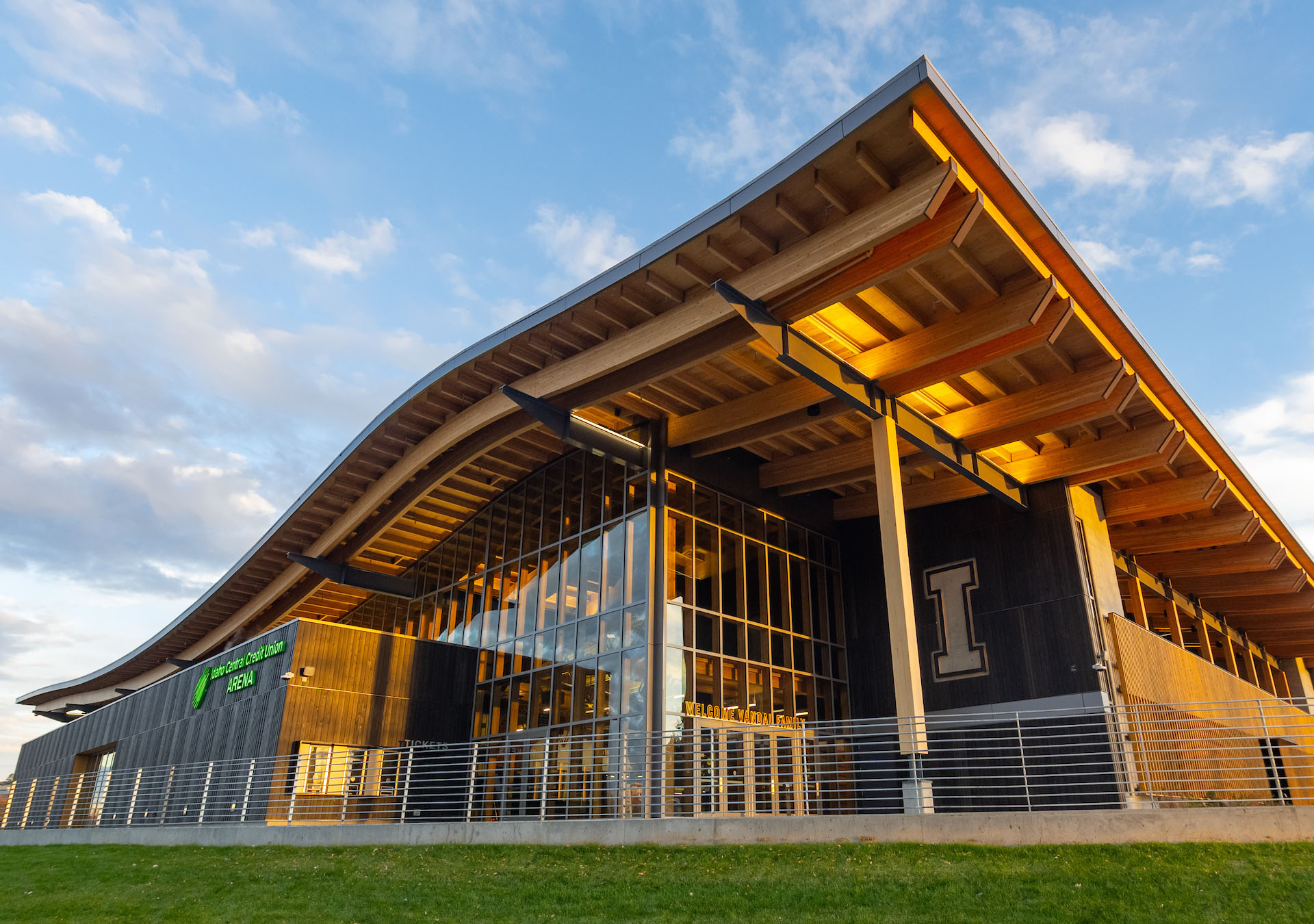
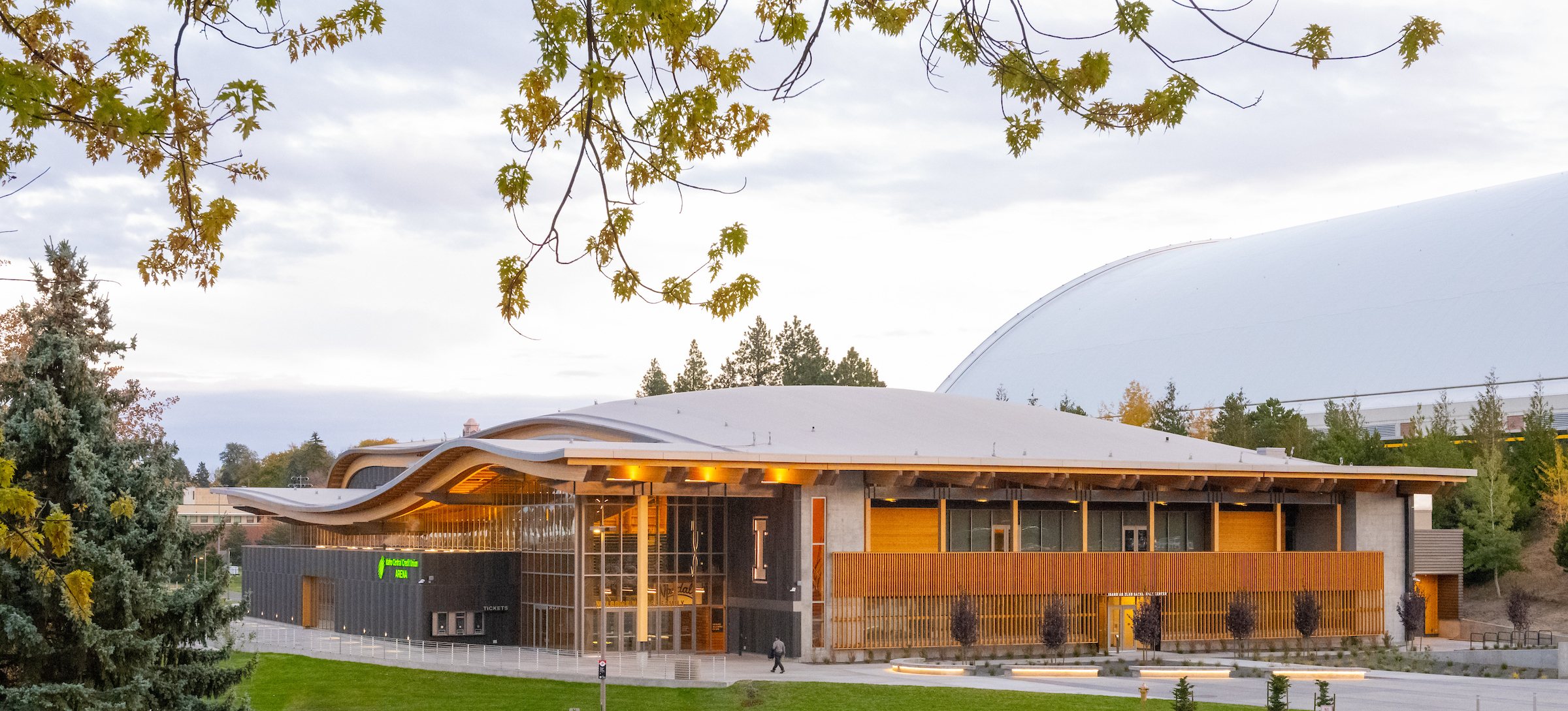
The University of Idaho ICCU Arena is the first venue of its kind, implementing engineered wood products to create an organically shaped roofline and highlight Idaho forestry. The new 62,000-sf, 4,200-seat arena is home to the Vandal men’s and women’s basketball teams and provides a gathering place for campus sporting events, concerts, and more.

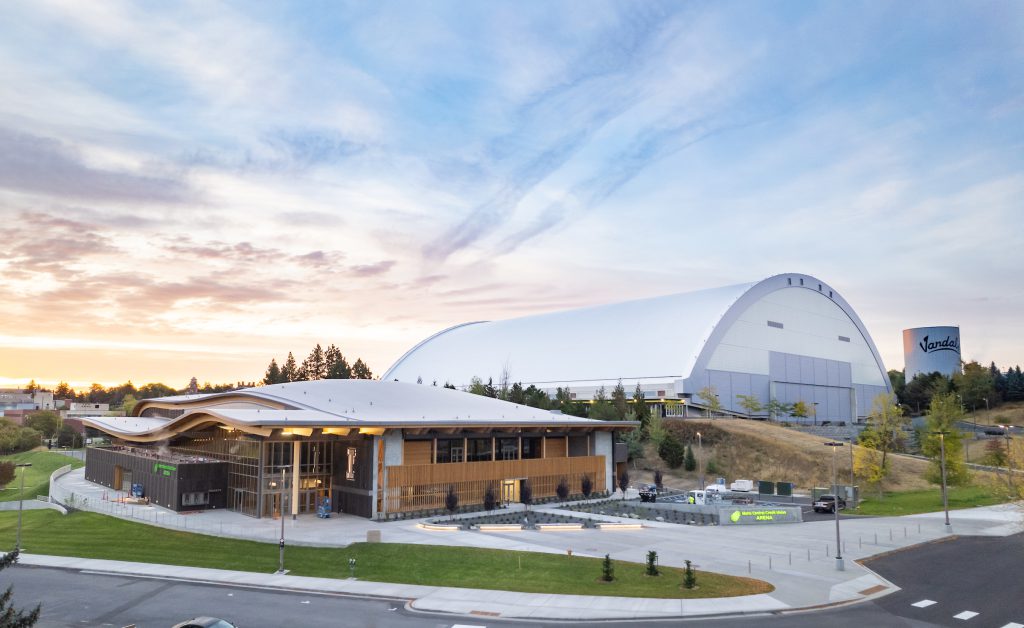
The ICCU Arena is situated on the west side of campus, just down the hill from the iconic Kibbie Dome. Its construction cements an athletics corridor at the University, positioned near the track and field complex, golf course, swim center, and tennis courts. The facility provides recreation and event space to the University’s 11,500 students and 2,500 employees as well as surrounding community members.

ICCU Arena in front of the iconic Kibbie Dome

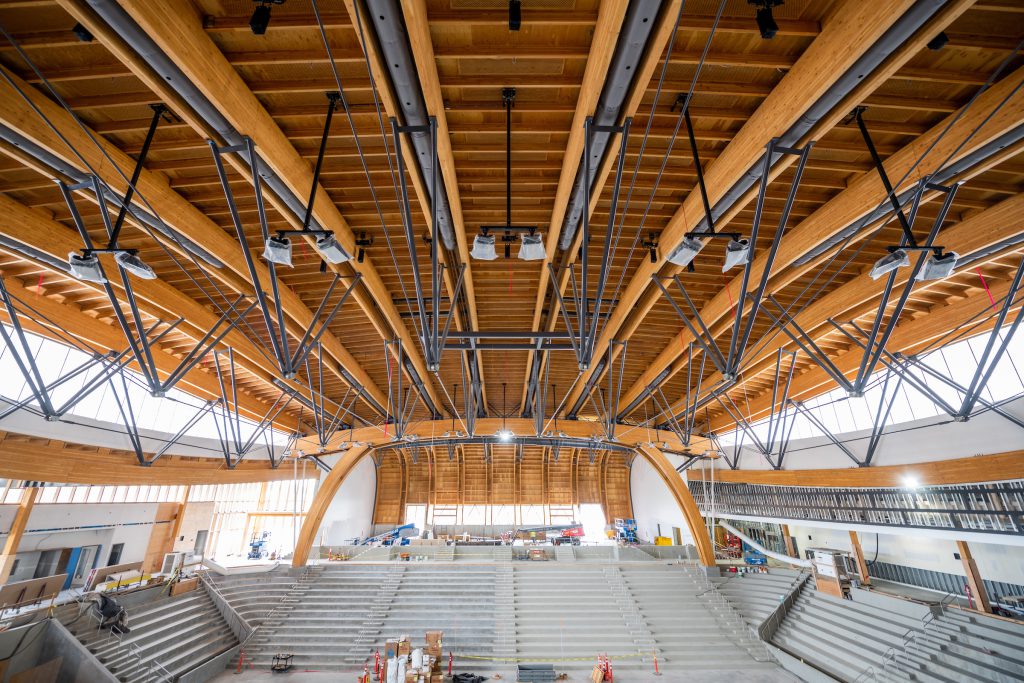
Through partnership and funding from Idaho Central Credit Union, the College of Natural Resources, the USDA Forest Service, alumni groups, and the student body, the University was able to make Idaho timber a focal point, despite the challenges of long spans and unique connections. The mass timber featured in this project includes long-span king-post roof trusses, glulam columns, cross-laminated and dowel-laminated timber floors. This made KPFF a natural partner with their history of mass timber research and innovation. University of Idaho Project Manager Guy Esser said, “During the design phase, KPFF’s collaborative suggestions and solutions were direct and practical in response to the project budget while still understanding the level of aesthetic sophistication that was desired by the University.”

The design and construction team, including Opsis Architecture, StructureCraft, and Hoffman Construction, were all integral to the success of the final project. Opsis led the architectural design with support from Hastings+Chivetta, a sports architecture specialist. They developed the concept of the undulating roof, mimicking the hills of the Palouse and paying homage to Idaho’s natural beauty.

The organic geometry and gentle slopes presented a challenge for supporting the long spans. StructureCraft developed the concept of a portal frame with king post trusses for the timber roof structure, which allowed for longer, unobstructed spans without large, bulky beams. The initial massing of the roof would have required two years of fabrication to lay up all the unique curves. The team worked with manufacturers to break up the unique mass timber members into smaller pieces that could be produced using their machinery. Judsen Williams explains, “We as engineers were able to work directly with several manufacturers in Idaho to allow us to do something that had never been done before. StructureCraft took the free-formed surface of the roof and rationalized it into a series of single-curved radius and straight pieces that were manufactured more efficiently.”

King-Post Trusses

MW Engineers tackled the challenge of thoughtfully integrating critical building systems while celebrating the roof structure. Ductwork for arena ventilation was concealed between glulam members of the king-post trusses and portal frame, and pre-installed at StructureCraft’s fabrication facility to allow for expedited erection and safer installation.

Ductwork between Glulam Pairs

Hoffman Construction brought the whole project together as the general contractor and worked with subcontractors to utilize sustainable wood harvesting for the arena materials. As much as possible, they kept their supply chain local, cutting down on unnecessary emissions from transporting materials across states or countries.

Not only does the completed ICCU Arena include new and improved sports facilities to draw premier student-athletes and excite athletics fans, but the space has the capacity and flexibility to host academic events, concerts, lectures, and more. The building provides a permanent home for the Vandal basketball teams for the first time in University history, complete with coaching offices, locker rooms, athletic training facilities, and a practice gym. The new practice gym allows players uninterrupted access to a first-class training facility. Players and coaches are confident that this will help the teams improve their performance in future seasons. The arena solidifies the University of Idaho athletics reputation, drawing in spectators for a one-of-a-kind fan experience that is both intimate and exhilarating.

Ultimately, this building is a home for past, present, and future Vandals. It is a place for students to gather and for spectators to experience what it’s like to be part of “the brave and the bold.”

A spectator’s view through the portal frame

San Francisco Native and KPFF Structural Engineer Tackles Housing Equity

Born and raised in San Francisco, Michaela Nava was fascinated by buildings from a young age. She was curious how they are designed, how they are built, and especially how they stand up after earthquakes! When she started thinking about college it didn’t take long for her to zero in on structural engineering as her major. During her time at Santa Clara University, she started to notice the dramatic changes in the urban landscape around her. Mainly, the lack of affordable housing. Michaela shares how she and her colleagues are participating in furthering equitable housing in the SF Bay Area.

“My first job out of college was for a small engineering firm whose client base was mostly single-family homes in the South Bay. I worked there for a couple years, but always wanted to do more for the community back in my home town of San Francisco. I found myself at KPFF in 2016, drawn there for the collaborative culture and so I could work on affordable housing projects. I quickly learned and innovated ways to design a structure economically while achieving beautiful homes for people to live.”

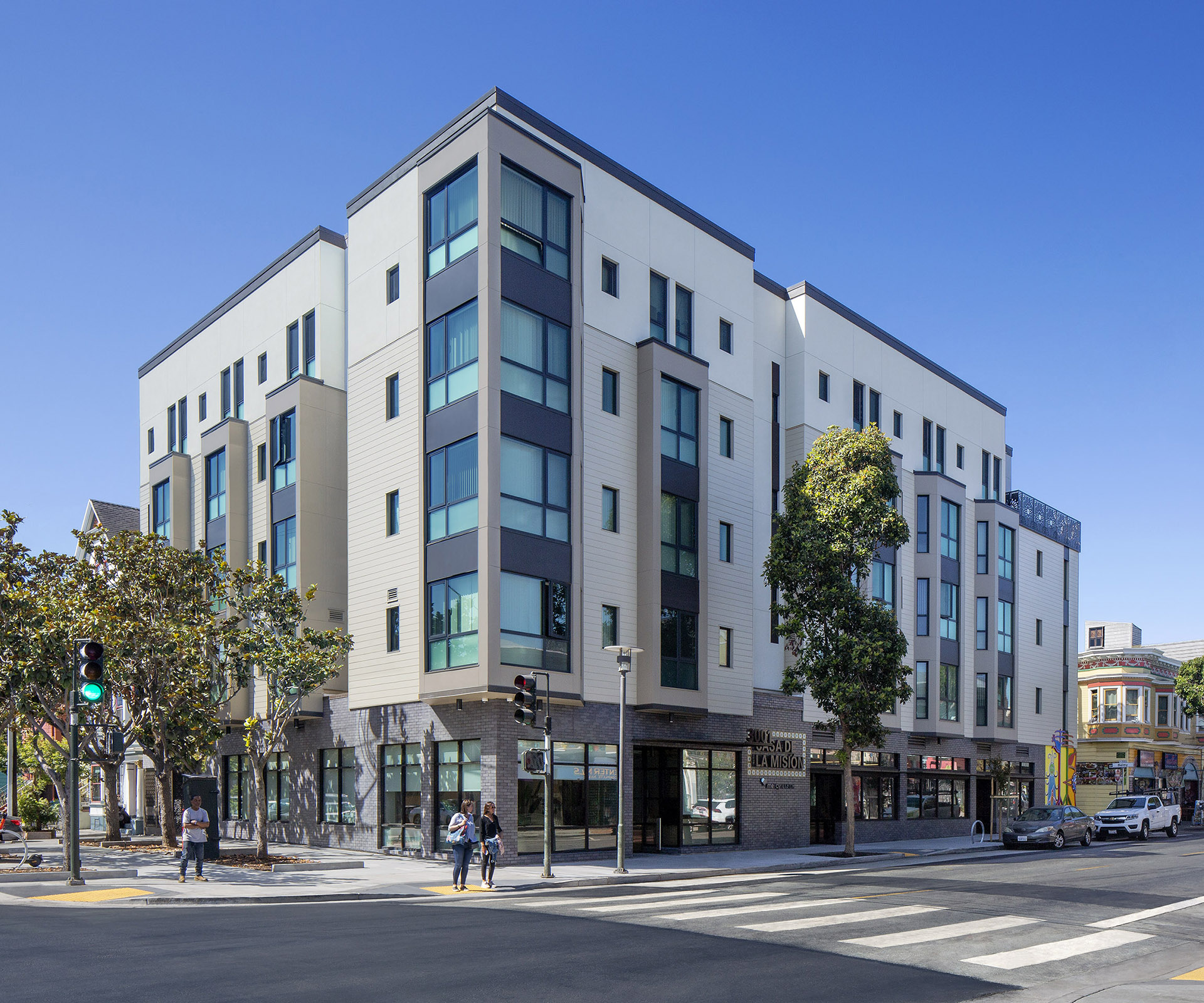
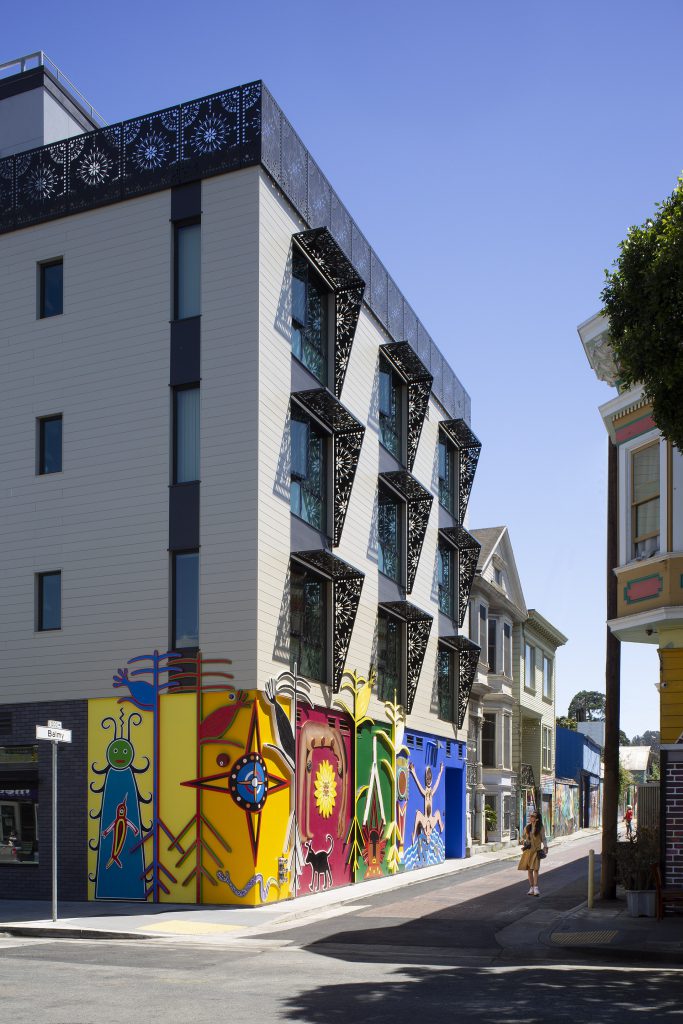
Casa de la Mision provides housing for seniors transitioning out of homelessness. Created in collaboration with HKIT, Y.A. Studio, James E. Roberts-Obayashi Corp, Mercy Housing, Mission Neighborhood Centers and PGAdesign.
Photos ©David Wakely

Michaela collaborates with many different local and national architects on these housing projects, each one inspiring her to design for efficiency, resiliency and sustainability. Specific strategies include:

  • Efficient structural layouts to minimize material costs without loss of structural integrity
  • Close collaboration with architects to optimize column and framing layouts to achieve the architectural vision (i.e., maximum unit sizes, comfort, safety)
  • Close collaboration with other disciplines such as MEP to reduce conflicts during the course of construction
  • Development of prefabricated and modular framing systems to shorten construction schedules
  • Implementation of high replacement concrete mixes of up to 70%, reducing carbon emissions
  • Early integration of the general contractor to implement feedback based on pricing and constructability, reducing overall cost of the project and reducing RFIs during construction

“We have a long way to go to solve the housing crisis in San Francisco. I am committed to playing an active role in this process, for the benefit of the community, the city I love and to further our profession.”

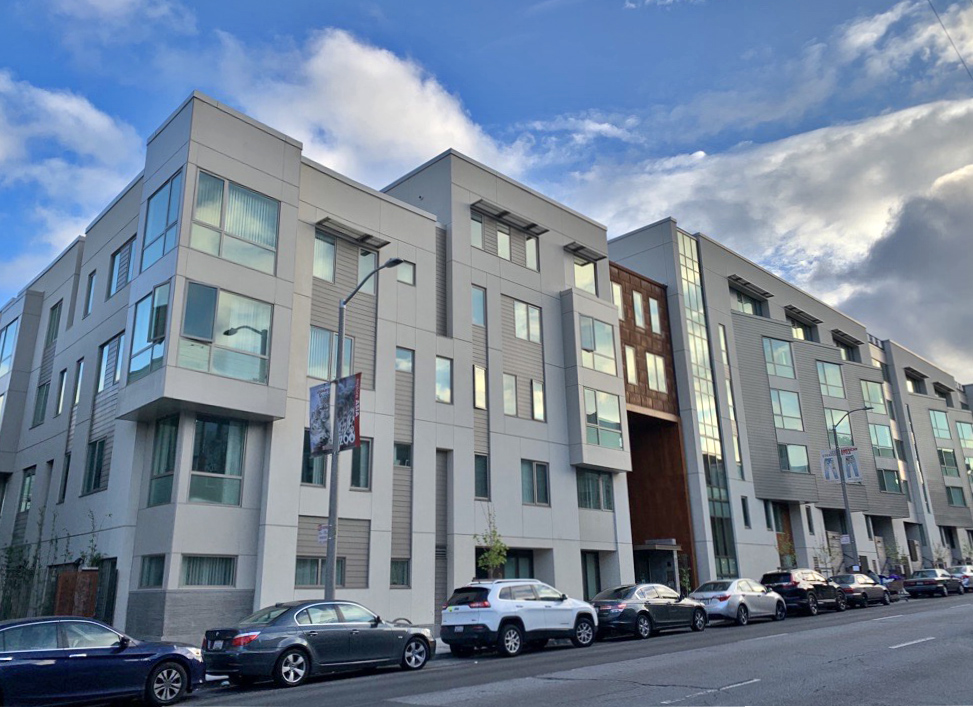
455 Fell Street in collaboration with Leddy Maytum Stacey, Paulett Taggart Architects, San Francisco Housing Development Corporation and Mercy Housing California

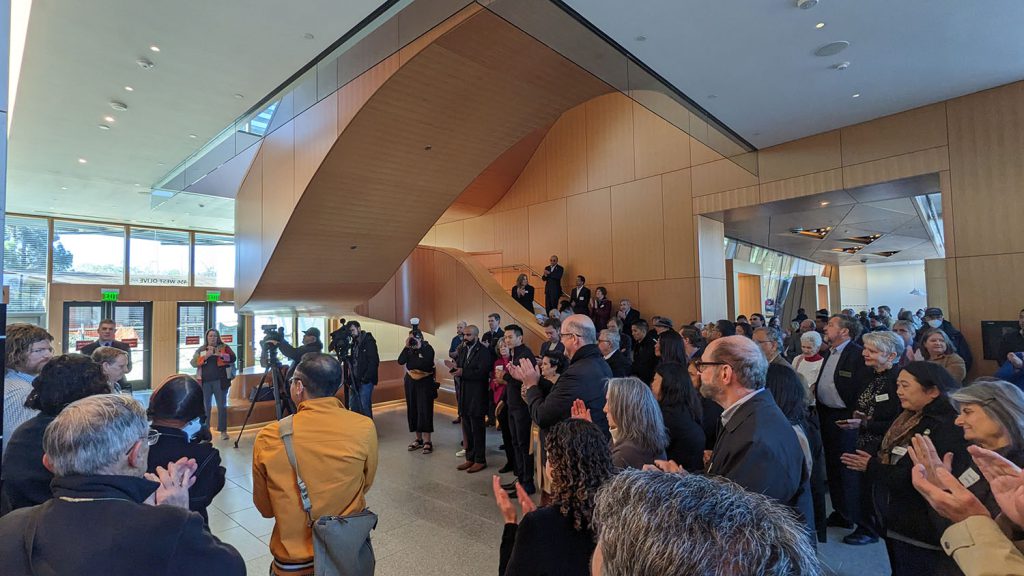
Ribbon Cutting at Sunnyvale City Hall

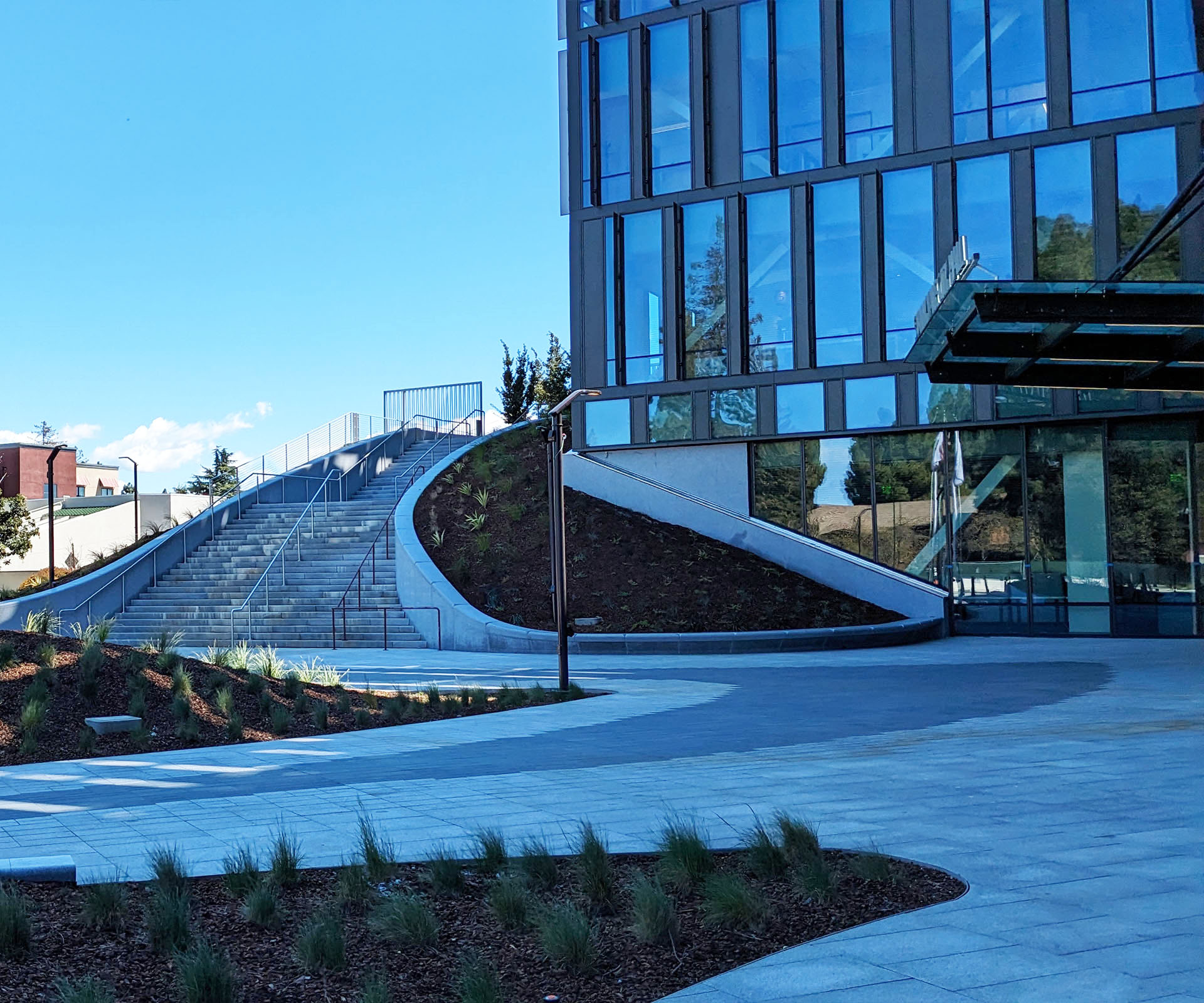
KPFF’s Dave Rossi and Nicholas Miley were excited to attend last week’s ribbon cutting event at Sunnyvale City Hall. Designed by SmithGroup, PAE, and KPFF to be the first net-zero and LEED Platinum city hall, the new building raises the bar for sustainability in civic projects and demonstrates the City of Sunnyvale’s commitment to positive change.

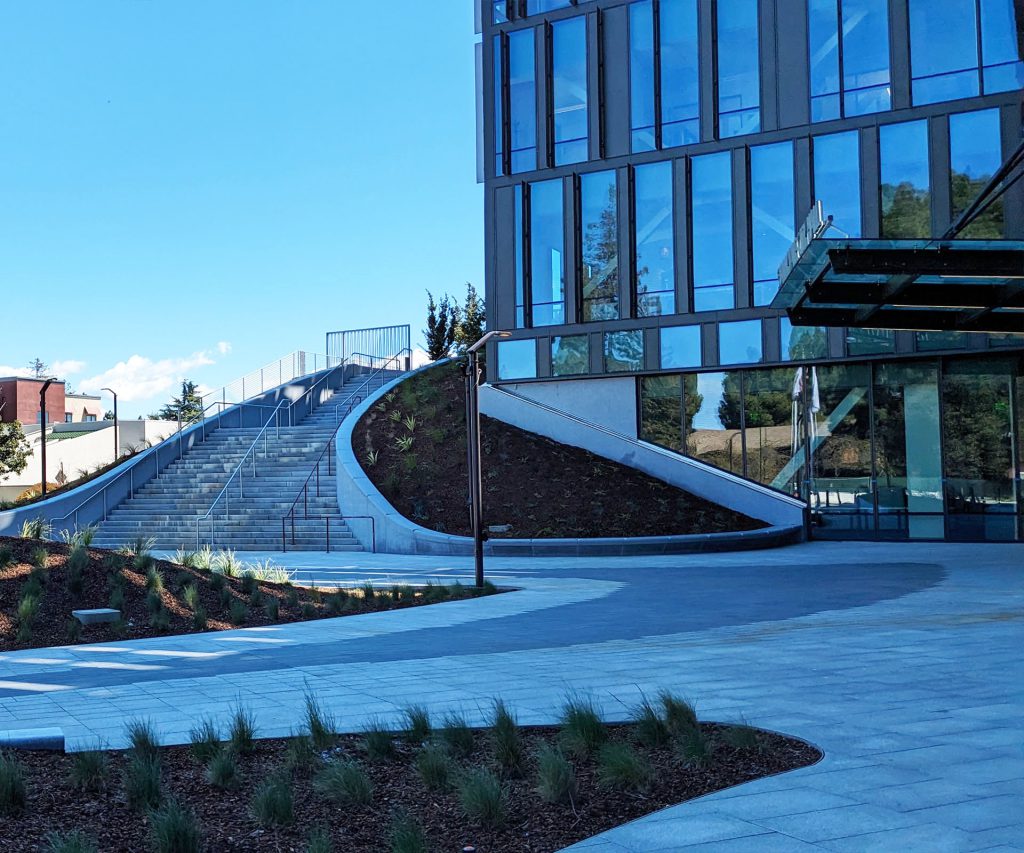
Biophilic design elements such as the timber curtain wall, sweeping tree lined terraces and a curving wood-clad central feature stair bring the project to life.  A large PV array canopy above the roof provides on-site energy generation and shades the building below.

KPFF reduced structural embodied carbon by specifying high cement replacement mixes including 70% replacement in the mat slab and slab on metal deck. We also designed the seismic system for enhanced resiliency, reducing potential repair costs and materials that would be needed after a major event.

“It’s amazing to see all of the hard work by Hensel Phelps and the design team come together into a beautiful and innovative. I had the chance to talk to some city employees who have moved in and are enjoying their new space – it really made it all feel worth it,” says Nicholas Miley.

Port of Everett Norton Terminal
is Officially Open

Port of Everett Norton Terminal is Officially Open

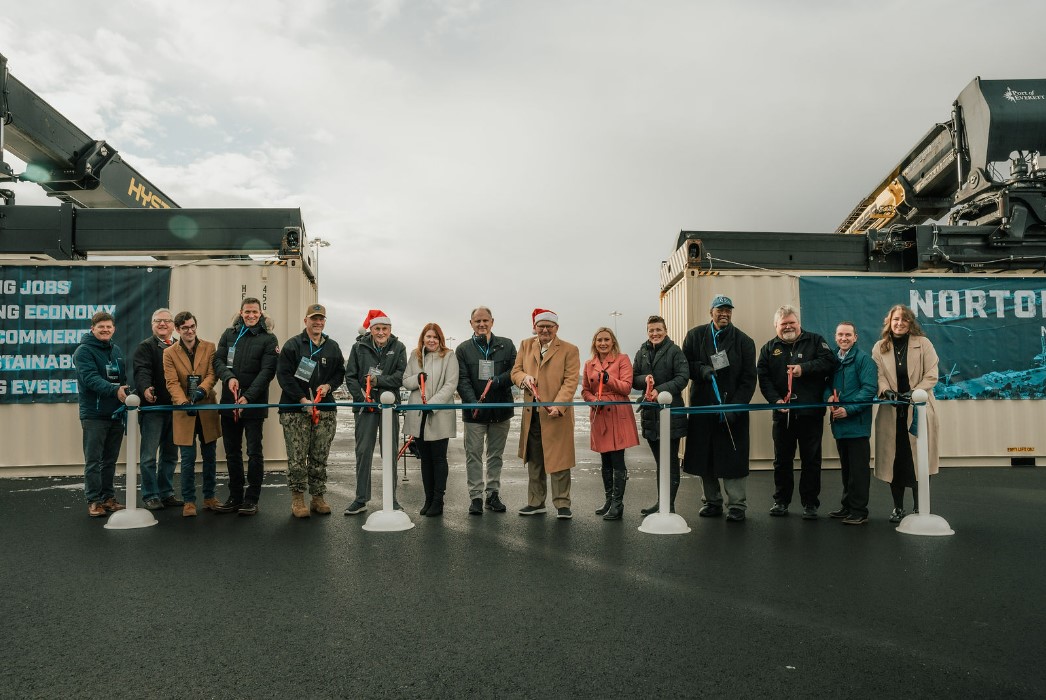
Ribbon cutting ceremony held on December 1st

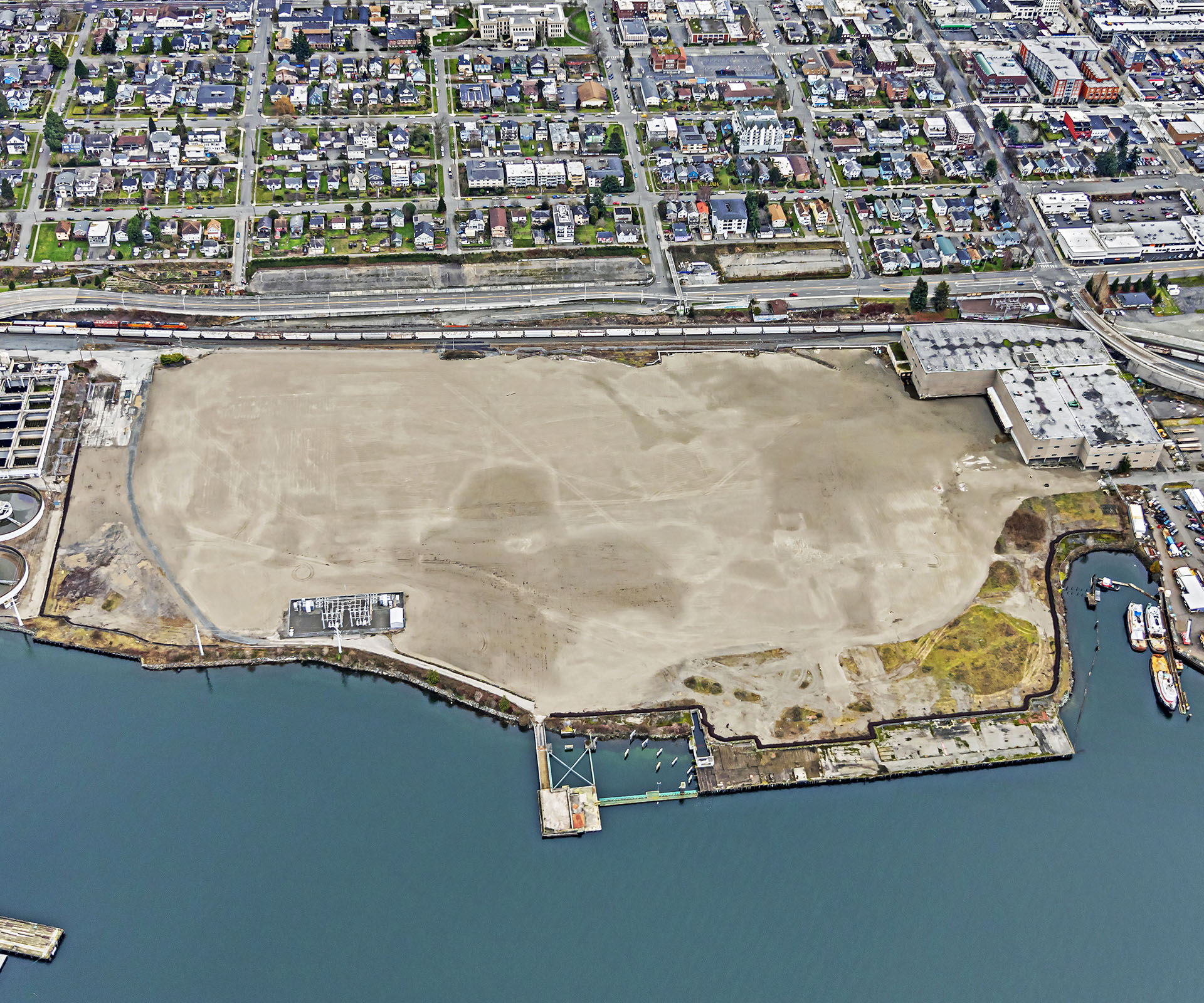
On December 2nd the Port of Everett officially opened its new Norton Terminal, involving redevelopment and clean-up of the former Kimberly-Clark mill site.  The $40 million maritime infrastructure investment redeveloped 40 acres of new upland cargo capacity for the Port of Everett and Puget Sound region. KPFF designed the new terminal. The project includes asphalt paving and significant new terminal utilities including over a mile of water main, ½ mile of heavy-duty trench drain, storm water treatment, sewer, lighting, and electrical/communications infrastructure.

This work is funded in part by a $17.75 million Federal BUILD grant administered through MARAD and a $7.65 million Washington State Department of Ecology MTCA cleanup grant.

Check out the Port of Everett’s YouTube Timeline Video below.

For more information on this project, click the links below.

Port of Everett News

https://www.djc.com/news/bu/12153085.html
https://www.heraldnet.com/news/port-of-everett-christens-new-norton-cargo-terminal

KPFF Staff that contributed to this project: Nathan Watson, Adam Bergman, Ed Debroeck, Kyle Edwards, Erik Nielsen, Roxanne Oynes, Kaleb Prough, Andres Rondon, Sean Story, Laura Trovesi, Donald Yu, Bob Riley, Qiaqia Zhu, Martin Gomez

KPFF and Ferry Operations in NY Harbor

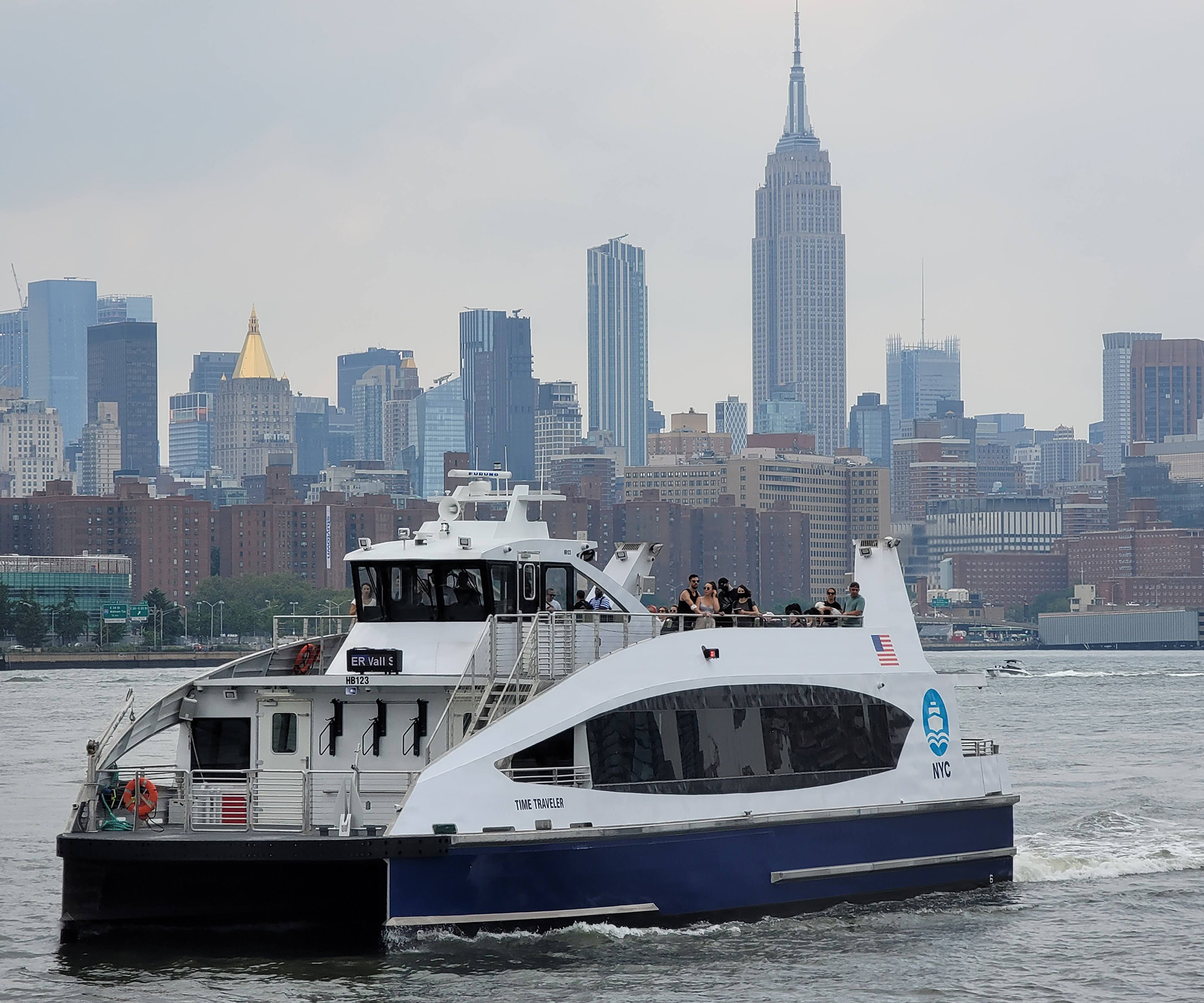
Beginning over a decade ago, KPFF has been engaged in ferry planning, design, and consulting with most of the major operators in New York harbor.  KPFF’s Marine Transit Consulting Group (MTCG) has worked with the Staten Island Ferry (SIF), NYC Ferry, and the Governors Island Ferry, as well as NJ Transit (NJT), NJ DOT (NJDOT), and Port Authority of New York and New Jersey (PANYNJ) on planning and infrastructure projects. As local ferry operators expand their services and transition to zero-emission operations, KPFF will continue to provide expertise and support for ongoing and future operations and electrification efforts.

KPFF’s Marine Transit Consulting Group

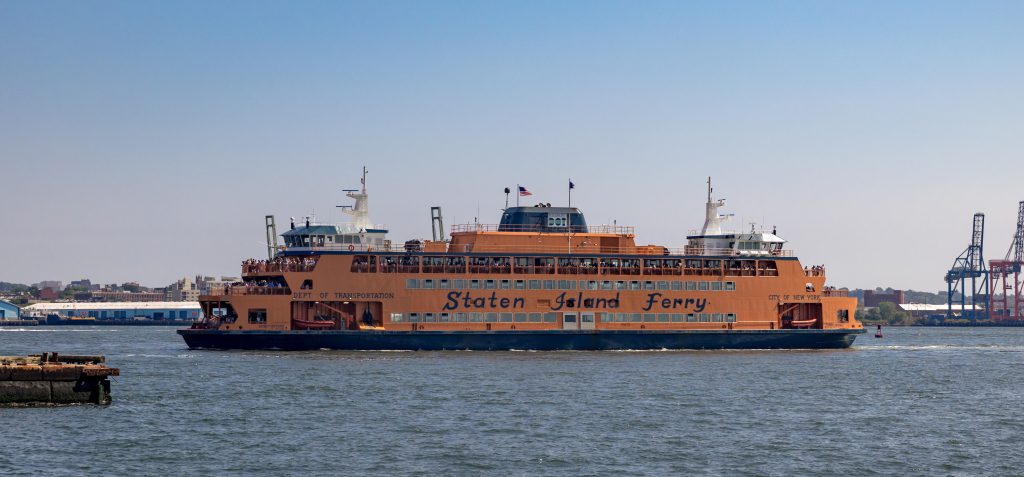
KPFF’s MTCG was created in 2008, leveraging our unique in-house expertise to provide comprehensive consulting services to the ferry industry. In 2009, the MTCG was selected by the Staten Island Ferry to develop a 20-year fleet plan and design guidelines for vessels to replace the John F. Kennedy and Barberi-class vessels, which were reaching the end of their useful service life. The work led to the development of the concepts and performance specifications that formed the basis of the Ollis-class ferry design. The plan recommended the acquisition of three new vessels and the third just recently arrived in NY Harbor.

Staten Island Ollis-Class Ferry

Building on the success of the fleet planning work, KPFF continued working with the SIF to modify crew and vessel schedules to reduce overtime, support increased overnight service, and study the feasibility of SIF providing service to additional destinations in Manhattan, a service which was recently implemented by the EDC’s NYC Ferry.

KPFF’s marine engineering group is also working with the SIF to design improvements to the piers at the St. George Ferry Maintenance Facility to provide safe mooring for the ferry fleet under heavy weather and hurricane conditions. This work includes an assessment of the existing structural capacity, development of mooring arrangement concepts, and designs for new mooring hardware and supporting structures.

Expanding Ferry Operations

Working with our partners from the SIF planning work, KPFF provided operations consulting and operating cost estimates for some of the PANYNJ’s regional ferry studies looking at both Cross-Hudson and East River services.  Some of this work was leveraged from previous efforts done in 2013 when KPFF was part of the team for the 2013 Citywide Ferry Study for the NYC Economic Development Corporation (EDC), on which we assessed governance models, maritime labor issues, operating schedules, and operating costs.

The 2013 Citywide Ferry Study determined that an East River ferry service could be successful so the EDC decided to move forward and create the East River Ferry, serving five terminals in Manhattan, Queens, and Brooklyn.  KPFF’s unique expertise continued to be utilized to help with the implementation planning and development of additional recommendations that were incorporated into the planning for the expanded NYC Ferry system.

As NYC Ferry was starting up, a team led by KPFF was brought onboard to provide a range of consulting services, including assessments of the new operators Safety Management Systems, labor agreements, and vessel acquisition processes. After the initial service was expanded and demand continued to grow, KPFF assessed potential new routes to determine which ones had the greatest probability of success when the service was further expanded to serve all five boroughs.

Future Ferry Maintenance Facilities and Terminals

Across the Hudson River, NJT called on KPFF’s expertise in ferry maintenance facilities to assess options for the development of a maintenance and overnight moorage facility for ferries operating between New Jersey and Manhattan. The site evaluation criteria included overnight moorage for 20 vessels, the ability to haul out one or more vessel for hull inspections and repair, general maintenance, and refueling as well as crew dispatch, locker rooms, and administrative office space. Although several sites were found to be feasible for a new facility, development pressure, land ownership, and operational challenges have prevented this effort from moving into planning and design.

Through an on-call contract with NJ DOT, KPFF provided preliminary design reviews of proposed new terminals in Carteret and South Amboy as part of the due diligence required before the release of the federal funds administered by the NJ Office of Maritime Resources.

Preparing for Zero-Emission Operations

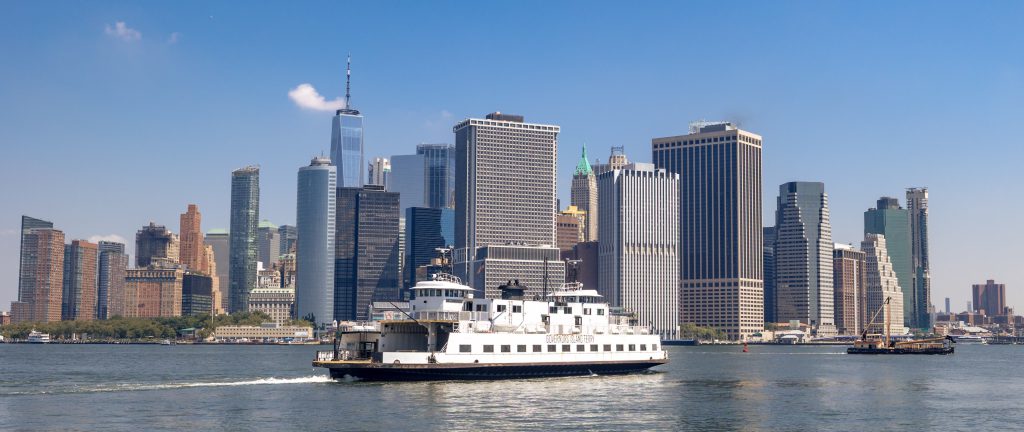
In the middle of the harbor, KPFF worked with the naval architects designing Governors Island’s newest passenger and vehicle ferry to define the infrastructure required to support shoreside charging of the vessel batteries to allow zero-emission operations. This infrastructure would include new transformers, shoreside batteries, and a rapid charging system located between the two slips at Soissons Landing to connect the ferry to shore power and transfer a full charge within the time it typically takes to unload and load the ferry. The concept design and cost estimate generated as part of this study was then used to apply for a grant from the Federal Transit Authority to cover the cost of the new infrastructure so that it will be ready to go shortly after the new diesel-electric hybrid vessel is delivered.

Governor’s Island Ferry

Resiliency Planning

Currently, KPFF is providing technical support to the NYC EDC team responsible for the Financial District and-Seaport Climate Resilience Plan. This visionary project will include the relocation and/or reconstruction of three ferry terminals along the southeast edge of Manhattan and KPFF is addressing both continuity of operations and terminal layout issues to minimize service disruptions and improve long-term operating efficiency. KPFF’s relationships around the harbor are proving to be very valuable in coordinating this effort with other marine transit planning efforts in the area.

KPFF currently has on-call contracts with SIF, the Trust for Governors Island, NYCEDC, and NJ DOT through which we expect to continue serving ferry operations in one of the busiest and most dynamic harbors in the world.

For more information about KPFF’s Ferry Operation Services, please contact Andrew Bennett with Seattle’s Waterfront Services Group or Spiro Kremmidas with KPFF’s New York City team.